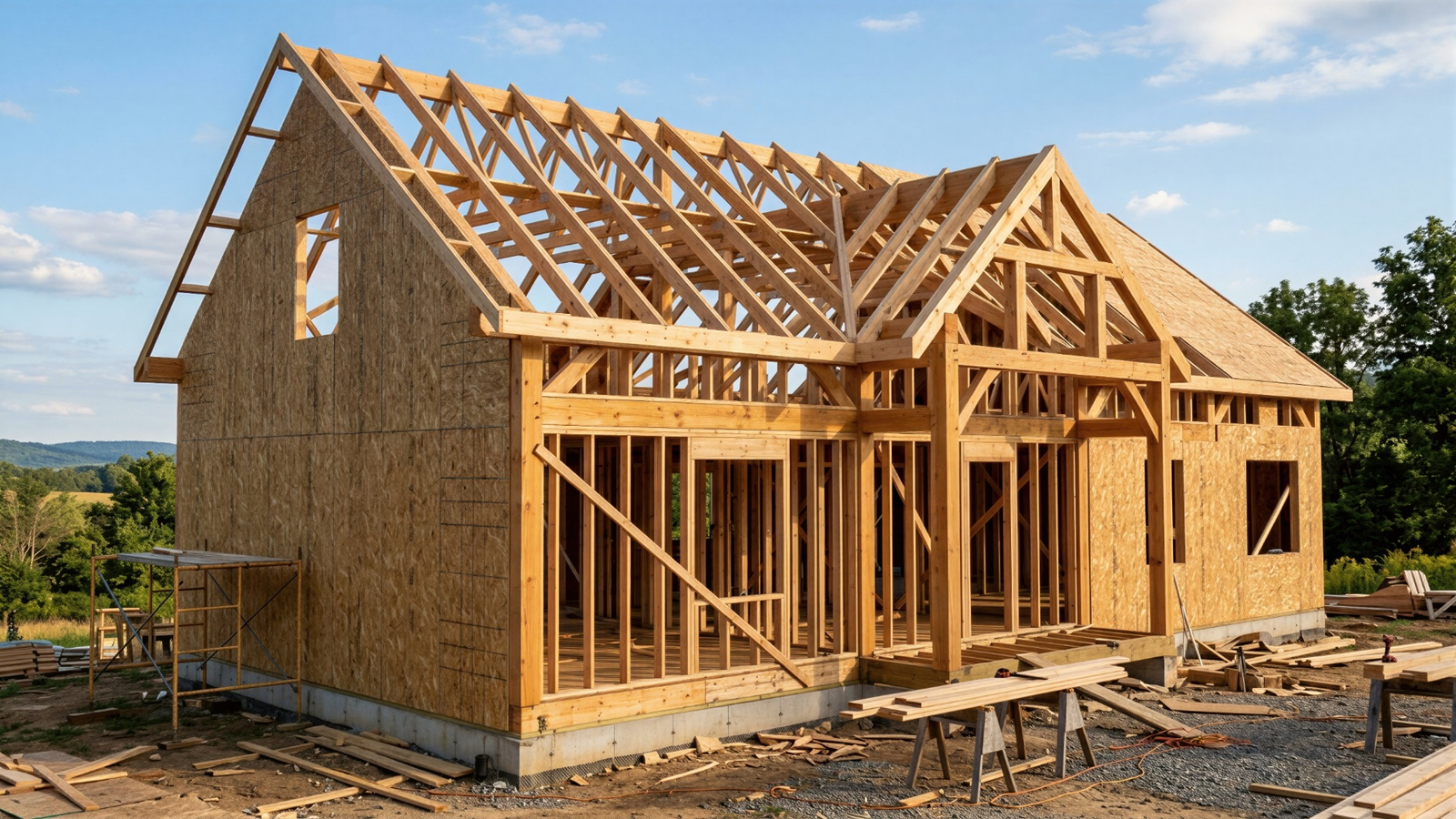
A brand-new home can be appealing for many reasons, from modern layouts and updated features to the opportunity to choose finishes that suit your style. But buying new construction comes with its own set of decisions. Before signing a contract, take time to understand what's included in the purchase, how the building process works, and what protections you have if something doesn't go as planned.
Understand What's Included in the Price
Model homes are designed to showcase a builder's work, but not every feature you see is necessarily included in the base price. Upgraded cabinets, countertops, flooring, and lighting may cost extra, as can features such as patios, finished basements, or outdoor kitchens.
Ask the builder for a detailed list of standard features and available upgrades, and make sure any selections and their prices are documented in writing. Also, budget for items you may need to purchase or add after closing, such as window coverings, fencing, or additional landscaping. Understanding what's included upfront can help you estimate the home's true cost.
Read the Contract Carefully
A new-construction contract can look different from an agreement to purchase an existing home. Before signing, pay attention to the deposit amount, when payments are due, and the conditions under which your deposit may be refundable. Review the terms covering construction delays, changes to the original plans, and cancellation so you understand your options if something doesn't go as expected. Consider having a real estate attorney review the agreement before you commit.
Explore Your Financing Options
Some builders offer incentives if you use their preferred mortgage lender or title company. These may include closing-cost assistance, upgrades, or other savings. However, you generally aren't required to use the builder's affiliated lender, and comparing loan offers can help you determine which option makes the most financial sense.
Also, ask when your mortgage application needs to be finalized and whether the builder's timeline could affect your rate lock or other financing arrangements. Understanding these details early can help you avoid unexpected expenses or delays.
Don't Skip the Home Inspection
A newly built home can still have construction defects or unfinished details. Consider hiring an independent home inspector, even if the builder conducts its own walkthrough or inspection. Depending on the construction stage and what the builder allows, you may be able to arrange inspections at different points in the process.
Before closing, complete a thorough final walkthrough. Check that agreed-upon features are installed, appliances and major systems operate properly, and any outstanding issues are documented. Ask how and when the builder will address items that need attention.
Know What the Warranty Covers
Many newly built homes come with a builder's warranty, but coverage varies. Some warranties cover workmanship and materials for a limited period, while certain systems or structural components may have different coverage terms.
Request the warranty documents before closing and review what's covered, what's excluded, how long coverage lasts, and how to submit a claim. Keep copies of your contract, inspection reports, warranty documents, and communications with the builder.
Make Sure You're Ready Before Signing
Buying a newly built home comes with its own set of considerations, from choosing finishes to understanding the builder's warranty. Knowing what questions to ask and what details to review before signing can help you navigate the process and feel more confident about your decision.