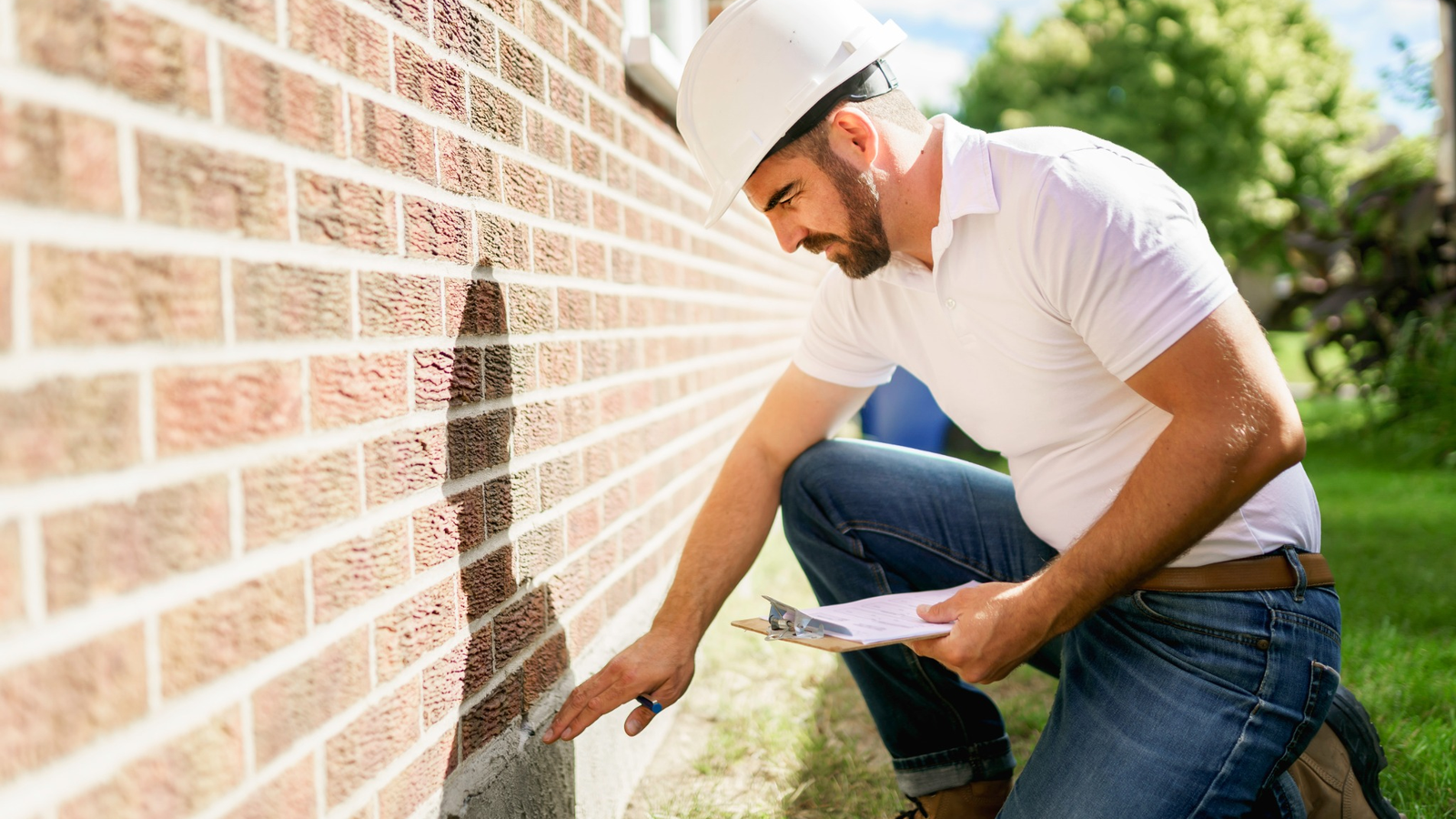
Finding a home you love is exciting, but before you commit to the purchase, it's important to understand what you're buying beyond the paint colors, finishes, and floor plan. A home inspection can help you look beneath the surface by identifying potential issues with the property's condition. However, an inspection isn't a guarantee that everything in the home is working perfectly. Knowing what to expect can help you make better-informed decisions.
What a Home Inspection Typically Covers
A general home inspection is a visual assessment of a property's accessible areas and major systems. Depending on the inspector's standards and the agreed-upon scope, this typically includes the roof, foundation and structure, exterior, plumbing, electrical systems, heating and cooling equipment, and interior components. Some inspections also include accessible insulation, ventilation, and fireplaces.
The inspector looks for visible defects, safety concerns, and components that may need repair or further evaluation. For example, an inspection might identify damaged roofing materials, a plumbing leak, an electrical concern, or signs of water intrusion.
What an Inspection Can't Guarantee
Even a thorough inspection has limitations. Inspectors generally don't open walls, remove flooring, or dismantle systems to look for hidden problems. Concealed plumbing leaks, structural damage, or other defects may go undetected if they aren't visible or accessible during the inspection.
An inspection also provides a snapshot of the home's condition on a particular day. It can't predict exactly when an appliance will fail, how long a roof will last, or whether a new problem will develop after closing.
Some concerns require specialized testing or separate evaluations. Depending on the property, you may want additional assessments for pests, mold, radon, sewer lines, or septic systems. Ask your inspector what the standard inspection includes and whether additional evaluations may be appropriate.
Attend the Inspection and Ask Questions
If possible, attend the inspection so you can see the property firsthand and ask questions. This is an opportunity to learn how major systems operate, understand which findings deserve attention, and ask about routine maintenance.
Don't be alarmed if the report includes a long list of observations. Inspectors may document minor maintenance items alongside more significant concerns. Ask your inspector to explain any findings you're unsure about and whether they warrant further evaluation.
Know What to Do With the Results
An inspection report can help you decide how to proceed, but it doesn't automatically determine whether you should buy the home. Depending on the findings and your purchase agreement, you may be able to request repairs, negotiate a price adjustment, seek additional evaluations, or reconsider the purchase.
Discuss the findings with your real estate agent and consult qualified professionals when necessary. Pay close attention to your contract's inspection deadlines and other requirements, since your options may depend on those terms.
Use the Inspection to Make an Informed Decision
A home inspection isn't about finding a perfect house. It's about understanding a property's visible condition, identifying potential concerns, and knowing when more information may be needed.
When you understand both the benefits and limitations of an inspection, you're better equipped to evaluate the home realistically and move forward with greater confidence.