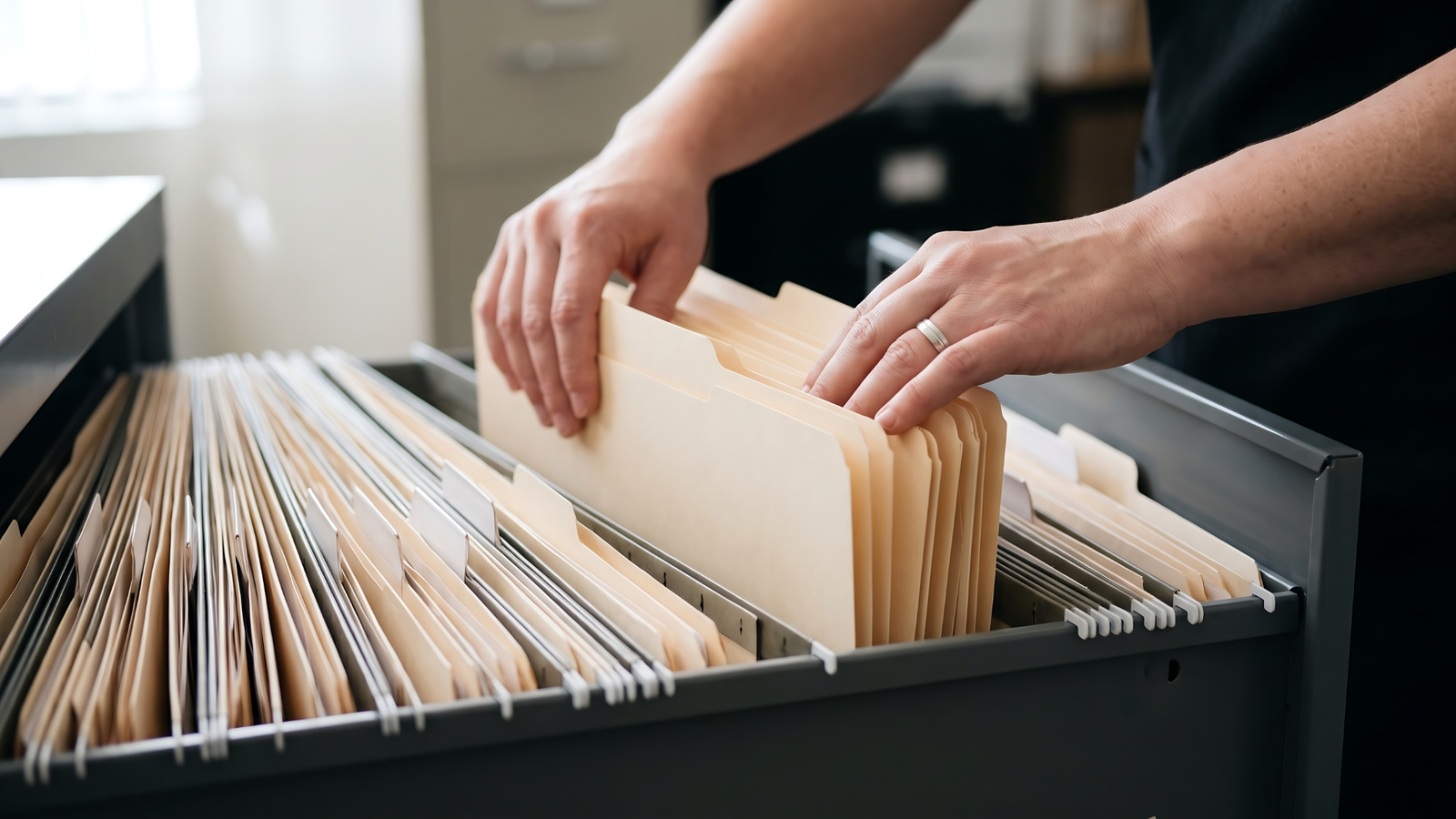
Getting ready to sell your home involves more than cleaning, staging, and choosing an asking price. Gathering important documents before your home hits the market can help you answer buyer questions, provide details about the property's history, and avoid scrambling to find paperwork once you're under contract.
You won't necessarily need every document on this list, but having the following records organized can make the selling process easier to navigate.
Records From When You Bought the Home
Start by locating the paperwork from your original purchase. Your deed establishes ownership, while your previous closing documents may contain useful information about the property and the terms of your purchase. If you have a recent property survey, keep that handy, too. It can show property boundaries and the location of certain structures or easements.
Your real estate agent or closing professional can help determine which ownership records are needed for your sale and whether any additional documentation is required.
Repair, Renovation, and Maintenance Records
Gather receipts, invoices, permits, and warranties for major projects or repairs you've completed, such as replacing the roof, upgrading the kitchen, or installing a new HVAC system. These records can help answer buyer questions about the home's history and show when important work was performed.
It's also helpful to collect available maintenance records for major systems and appliances, along with any manuals or transferable warranties. If you've made changes that required permits, locate the associated documentation and ask your real estate professional whether anything else needs to be addressed before listing.
Seller Disclosure Information
Sellers may need to complete disclosure forms describing known issues or other important information about their property. Requirements vary by state and locality, but disclosures may address matters such as past water intrusion, structural concerns, repairs, or other known defects.
Before listing, make a note of any issues you've experienced, including problems that have been repaired. Gather relevant inspection reports, repair records, or other documentation that may help you complete the required forms accurately. Your real estate agent or attorney can help you understand which disclosures apply to your situation.
Homeowners Association Documents
If your property belongs to a homeowners association or condominium association, gather the information you already have about dues, community rules, and any applicable assessments. Buyers may want to understand the costs and restrictions associated with the property before making an offer.
Your association or property management company can help you obtain current documents if your copies are outdated or incomplete.
Get Organized Before Listing
You don't need to have every document ready on day one, and your real estate professional can help identify what's relevant to your property. Start by creating a digital folder for ownership records, improvement receipts, warranties, disclosures, and association information. Keep the originals in a safe place, and make sure any sensitive financial information is shared only with the appropriate professionals.
A little preparation before listing can make it easier to answer questions, provide supporting information, and move through the sale with fewer last-minute surprises.