Design: Bringing Traditional Design Into Modern Homes
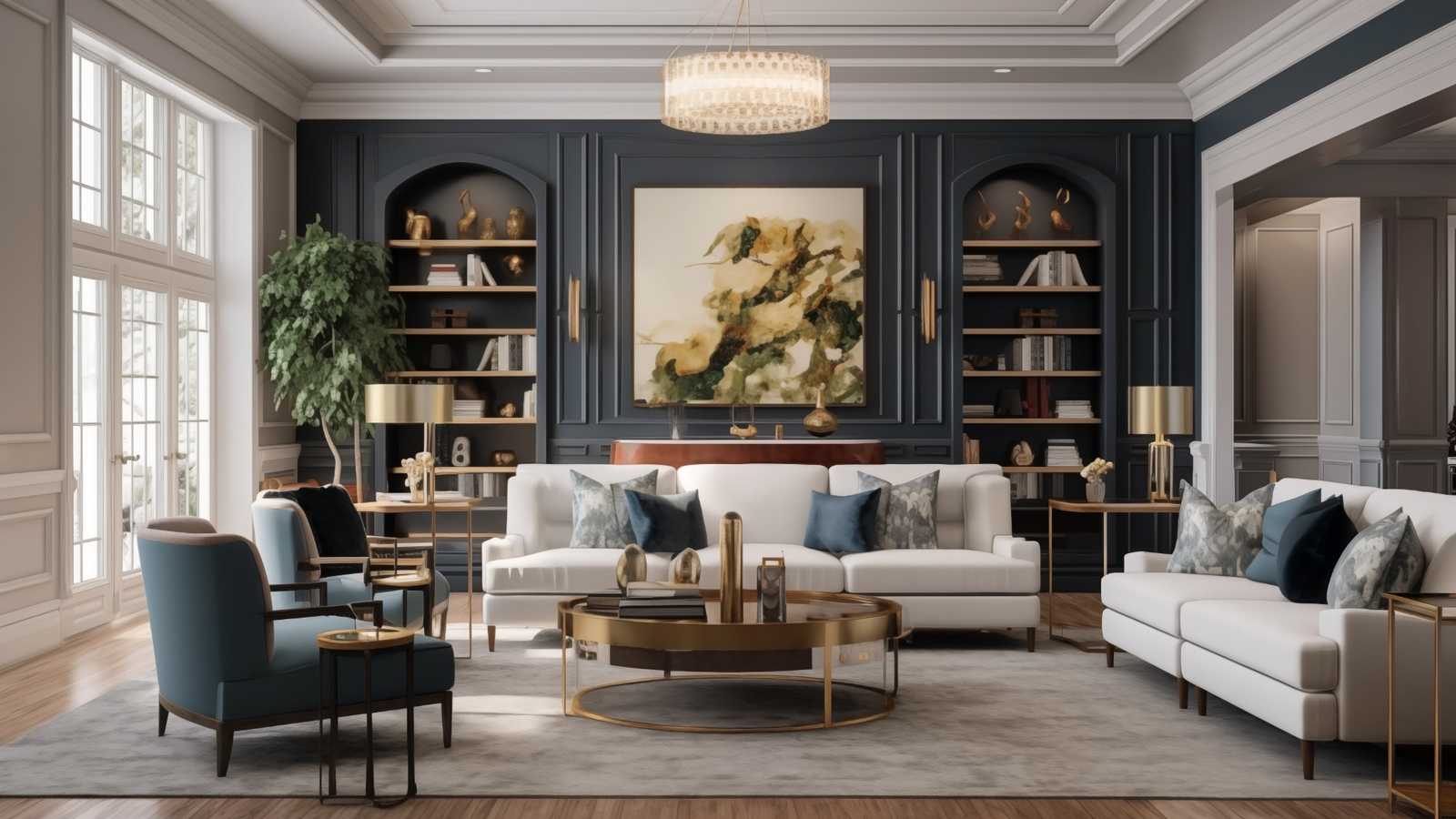
After years of clean lines, neutral palettes, and minimalist interiors, traditional design is making a comeback. Classic furniture, decorative molding, rich wood finishes, and vintage accents are finding their way into contemporary homes, but with a fresh approach. Rather than recreating a formal living room from decades past, today's take on traditional design combines familiar details with modern touches that make a space feel comfortable and personal.
Whether you're refreshing a single room or looking for inspiration for your next home, here are a few ways to bring this style into your space.
Mix Old and New Furniture
You don't have to fill a room with antiques to give it traditional character. In fact, combining pieces from different eras can make a space feel more interesting. Try pairing a classic wood dining table with contemporary chairs, placing a vintage sideboard beneath modern artwork, or adding a traditional upholstered armchair to a room with streamlined furniture.
The goal is to create a collected look rather than one where every piece matches. Start with furniture you already own, then look for new or vintage additions that complement its colors, materials, or shapes.
Bring Back Rich Materials and Warm Colors
Natural wood, stone, brass, and other textured materials can add depth to a room. Darker wood finishes, in particular, offer an alternative to the pale woods and all-white interiors that have been popular in recent years.
Color can help create a similar sense of warmth. Deep greens, navy blue, burgundy, and earthy browns work well with traditional furnishings and natural materials. You don't have to repaint an entire room to try the look, either. Start with an accent chair, a few pillows, a wood coffee table, or a colorful rug.
Make Room for Pattern
Florals, stripes, plaids, and other classic patterns are another way to introduce traditional style. Used thoughtfully, they can add personality without overwhelming a room.
If bold prints feel intimidating, start small with curtains, accent pillows, or a patterned lampshade. For a more noticeable change, consider wallpaper in a powder room or on a single accent wall. Pair busier patterns with simpler furnishings and solid colors to keep the overall look balanced.
Highlight Architectural Details
Decorative details can give a home a sense of craftsmanship and character. Crown molding, wainscoting, paneled walls, and traditional trim are all finding their way back into contemporary homes.
If your home already has these elements, consider highlighting them rather than covering them up. If you're working with a newer home, picture-frame molding or other modest trim updates can introduce traditional character. Just be sure any additions suit the home's proportions and overall style.
Find the Balance That Works for You
The appeal of modern traditional design is that it leaves plenty of room for personal taste. You can embrace classic details without sacrificing the simplicity and functionality of a contemporary home.
Start with one or two elements you love, build around what you already own, and make changes at your own pace. The best interiors aren't necessarily the ones that follow every trend. They're the ones that feel welcoming, reflect the people who live there, and remain enjoyable long after a particular style fades from the spotlight.