Buyers: What to Know About Older Home Systems
Finding a home that checks all your boxes can be exciting, but what happens when you discover the roof is nearing the end of its expected lifespan or the HVAC system has been running for years? Older home systems aren't necessarily deal-breakers, but they are worth a closer look before you commit to a purchase. Understanding their condition, potential replacement costs, and impact on your budget can help you make a more informed decision.
Look Beyond the Age of the System
A system's age can offer clues about future maintenance needs, but it doesn't tell the whole story. Two roofs of the same age, for example, may be in very different condition depending on the materials used, local weather, installation quality, and maintenance history.
The same applies to heating and cooling equipment and water heaters. A well-maintained system may continue working beyond its typical expected lifespan, while a newer one could have problems if it wasn't installed or maintained properly.
Ask the seller for available maintenance records, repair receipts, warranties, and installation information. These details can help you understand what has been done and what may need attention.
Pay Special Attention to the Roof
A roof can be one of the more expensive components of a home to replace, so it's important to understand its condition before closing. During a showing, you might notice missing or damaged shingles, visible wear, water stains on ceilings, or signs of past leaks. While these can be reasons to look more closely, not all roofing problems are visible to the untrained eye.
A qualified home inspector can identify visible concerns and recommend further evaluation when needed. If the roof appears to be nearing the end of its service life or there are signs of damage, consider getting an assessment from a licensed roofing professional.
Don't Overlook Your Home's Essential Systems
Heating and cooling equipment can be expensive to repair or replace, and a system that struggles to maintain comfortable temperatures may need attention. During the inspection, ask whether the system operates properly, whether it has been serviced regularly, and whether the inspector noticed unusual noises, leaks, or other concerns.
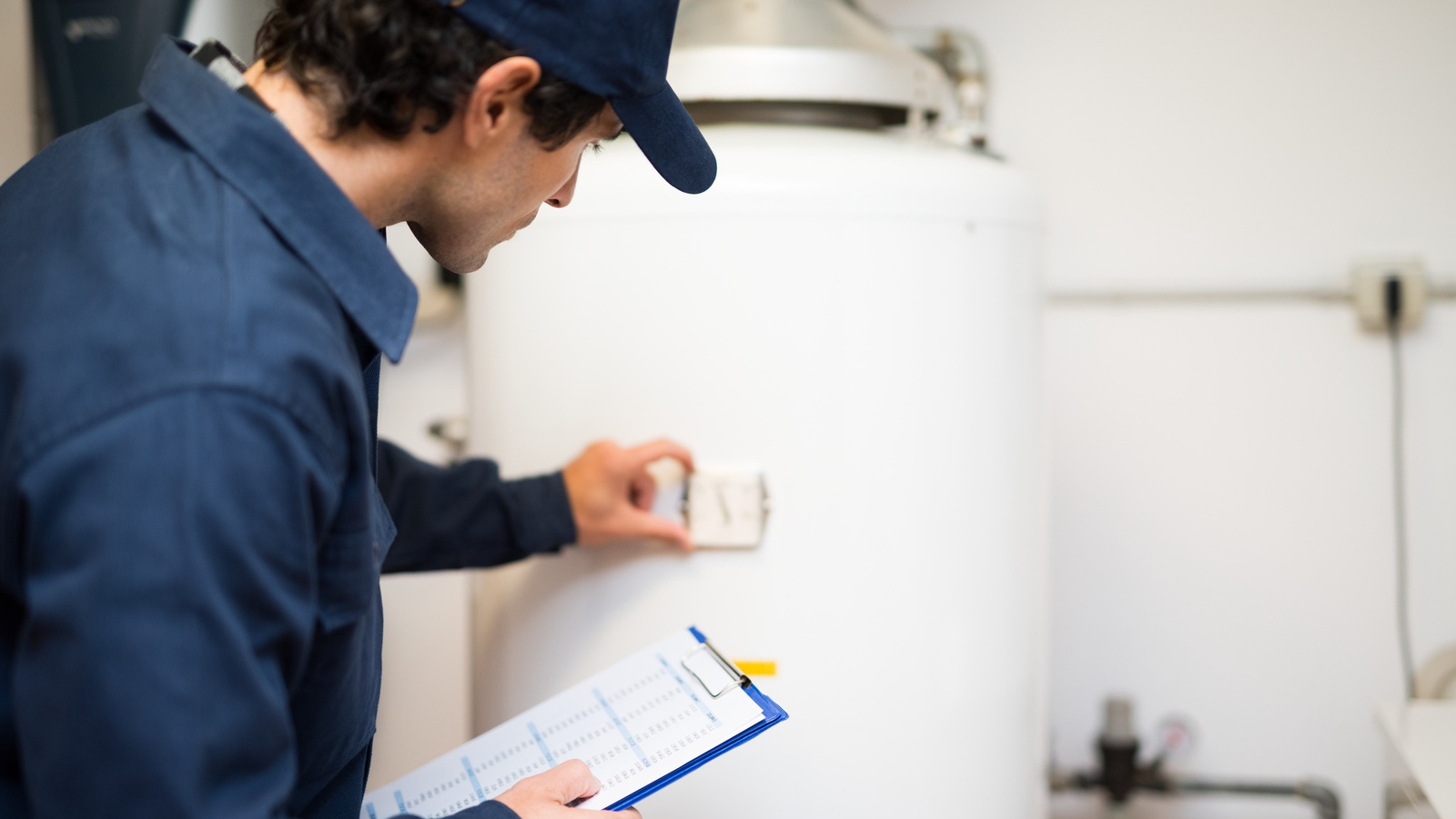
For the water heater, check its age, condition, and operation. Signs of corrosion, leaking, or inconsistent hot water deserve further investigation. Different types of water heaters have different expected service lives, so the model and maintenance history matter.
Understand Your Insurance and Financing Options
An older roof can affect homeowners insurance eligibility and premiums, particularly in areas prone to severe weather. Insurers may consider the roof's age, condition, material, and remaining useful life when deciding whether to offer coverage. Requirements vary by insurer and location, so check your options early rather than waiting until closing.
If you're financing the purchase, ask your lender whether any property-condition concerns could affect the loan or closing timeline. Addressing potential issues early can help avoid last-minute surprises.
Plan for Future Expenses
If a home needs a new roof, HVAC system, or water heater soon, factor those potential costs into your overall budget. Depending on the inspection findings and the terms of your purchase agreement, you may be able to negotiate repairs, a price adjustment, or another arrangement with the seller.
An older system doesn't automatically make a home a bad investment. Knowing what you're buying, getting professional advice when needed, and preparing for future expenses can help you decide whether the property is the right fit for your needs and budget.