Maintenance: What to Check Before Winter Arrives
As November brings cooler temperatures and shorter days, it's a good time to give your home a seasonal checkup. A little preventive maintenance now can catch small issues before they become expensive repairs and keep your home comfortable in the months ahead. While winter preparations vary by region, there are a few things everyone should check, no matter where they live.
Check Your Heating System
If you haven't already, test your heating system before you need it regularly. Replace the air filter if needed, check that vents aren't blocked, and pay attention to unusual noises or smells when the system runs. If your system hasn't been serviced recently, consider scheduling a professional inspection.
Homeowners with fireplaces or wood-burning stoves should also make sure they are clean and safe to use. Have chimneys inspected and cleaned as recommended, especially if you use them frequently.
Inspect Windows and Doors
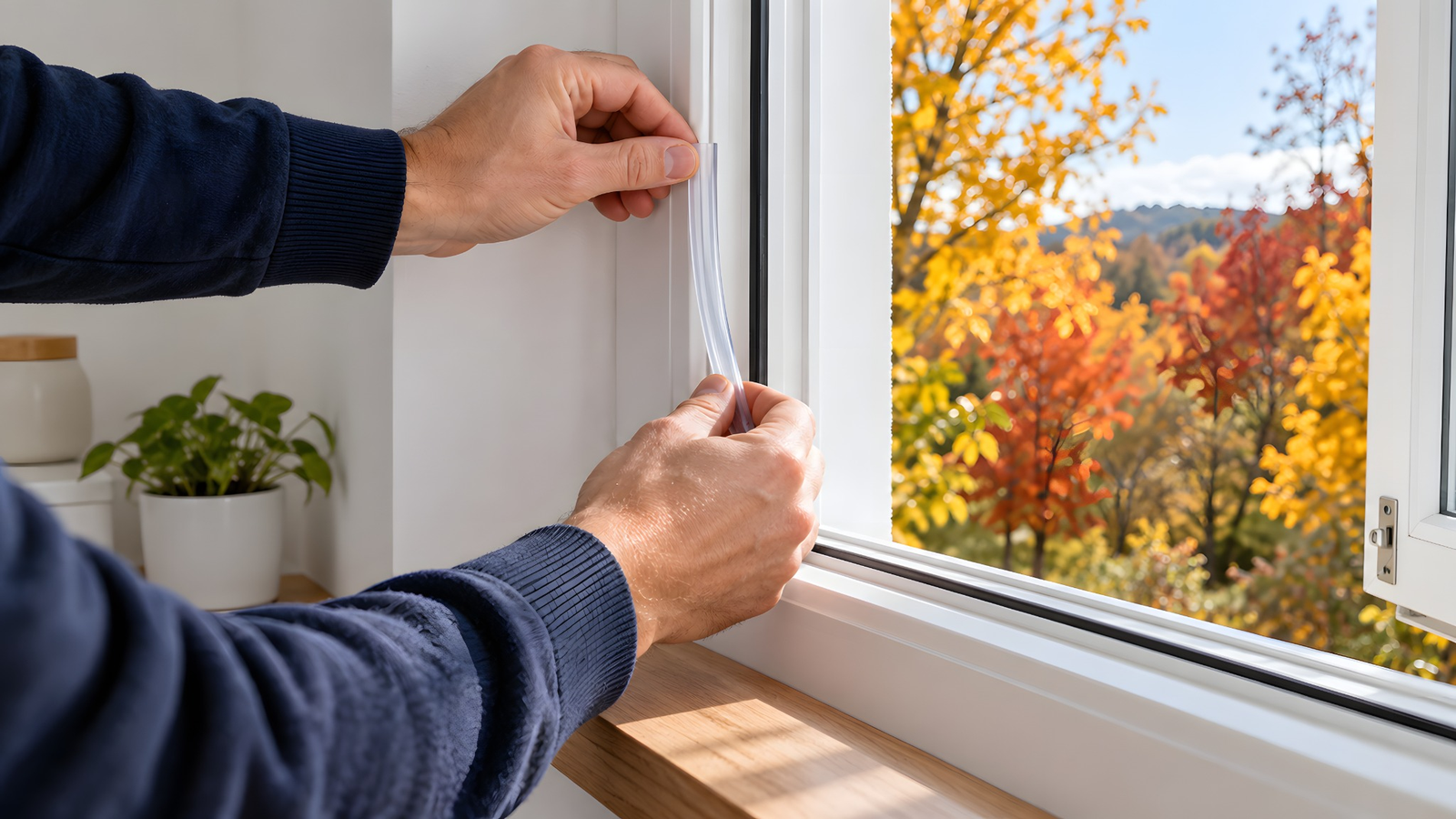
Gaps around windows and doors can allow drafts to enter and warm air to escape. Check weatherstripping and caulking for signs of wear, and address any noticeable gaps. These simple fixes can improve comfort and may help reduce heating costs.
Clear Gutters and Check Drainage
Fallen leaves and other debris can clog gutters and downspouts, causing water to overflow or collect near your home's foundation. Clear accumulated debris, make sure downspouts direct water away from the house, and check for areas where water pools after rain. In colder climates, standing water can freeze, create slippery surfaces, and contribute to damage over time. In warmer regions, keeping gutters clear helps direct rainwater away from the home and reduces the risk of water damage.
Prepare Outdoor Areas
Store or secure outdoor furniture, cushions, and other items that could be damaged by harsh weather or strong winds. Check exterior steps, railings, and walkways for loose boards, cracks, or other hazards that may become more problematic in wet or icy conditions.
If freezing weather is common where you live, disconnect garden hoses, shut off and drain exterior faucets where appropriate, and follow your home's recommended winterization procedures to help prevent frozen pipes. In warmer climates, inspect irrigation systems and adjust watering schedules to suit seasonal conditions.
Review Safety Devices and Emergency Supplies
Test smoke alarms and carbon monoxide detectors, and replace batteries or devices as needed. If you use fuel-burning appliances or a fireplace, working carbon monoxide detectors are especially important.
It's also a good time to check flashlights, batteries, first-aid supplies, and other emergency essentials. Homeowners in areas prone to winter storms may want to keep extra blankets and backup lighting readily available.
Make Seasonal Maintenance a Habit
A November home checkup doesn't have to involve a major project. Walking through your home, inspecting key systems, and addressing small maintenance needs can help you avoid preventable problems as the weather changes. Focus on the tasks that make sense for your home's age, condition, and local climate, and consult a qualified professional when something needs further attention.
A little preparation now can help protect your home, keep essential systems running smoothly, and make the transition into the next season easier.