What to Watch for When Touring Homes During the Winter
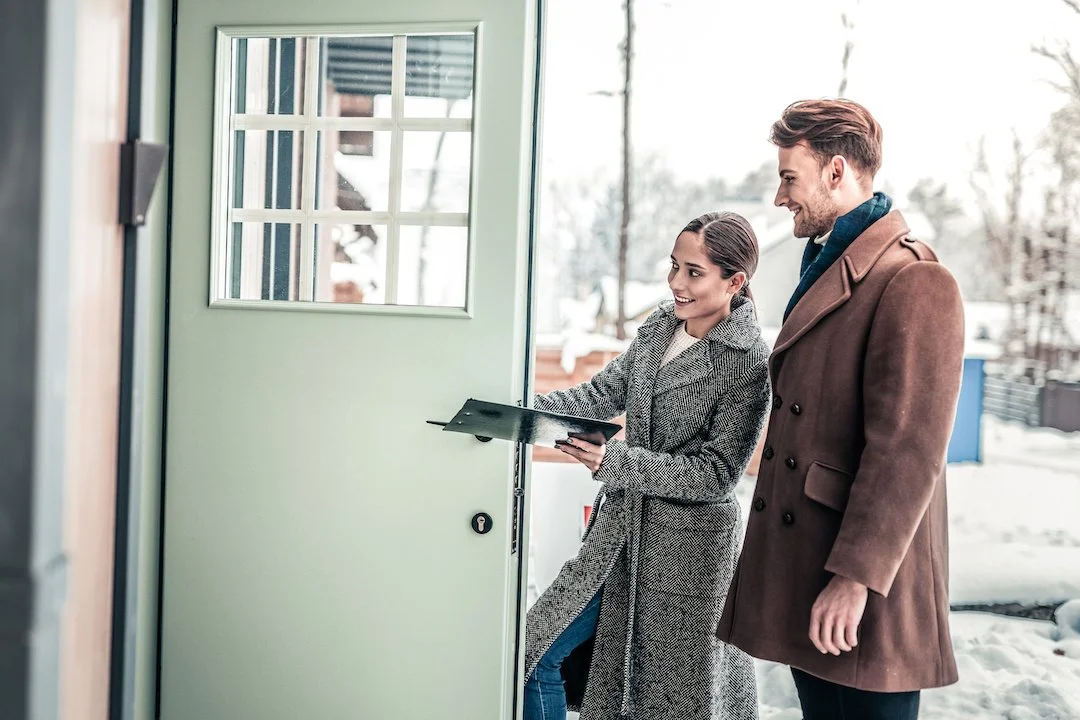
Touring homes in the winter gives you a unique perspective that other seasons simply can’t offer. Cooler temperatures, earlier sunsets, and harsher weather conditions reveal details that may stay hidden in spring or summer. While the market may be quieter, your opportunity to evaluate homes more clearly is even stronger. When you know what to look for, winter tours can help you make a confident and well-informed decision.
Pay Close Attention to Heating Performance
One of the biggest advantages of winter home tours is seeing how well a property handles cold weather. As soon as you walk in, notice the overall temperature. Does the home feel evenly heated? Are certain rooms noticeably colder? These clues can reveal insulation issues, aging HVAC systems, or drafty windows. Ask how old the furnace or boiler is, whether it’s been serviced regularly, and what the seller’s winter utility costs typically look like. Efficient heating is essential—and expensive to fix—so winter gives you a valuable preview.
Look for Signs of Drafts or Poor Insulation
Cold air has a way of pointing out imperfections. Stand near windows, exterior doors, and corners of the home to feel for drafts. Check for condensation or frost buildup on windows, which can indicate insulation concerns or aging seals. If the home already feels chilly even with the heat running, you may need to factor in future upgrades. Winter makes these issues easy to spot, saving you from surprises later.
Evaluate Natural Light and Interior Brightness
Shorter days and cloudy skies allow you to see how much natural light the home truly gets. Pay attention to rooms that feel dim, especially during late afternoon showings. Homes that still feel bright in winter will shine even more during sunnier seasons. On the other hand, a darker home may need lighting upgrades, additional fixtures, or lighter paint colors. This is your chance to understand how the space will feel during the months you spend the most time indoors.
Check How the Home Handles Snow and Ice
If there’s snow on the ground, look at how well the property manages winter weather. Are walkways and steps safe and cleared? Is the driveway easy to navigate? Check the roofline for icicles or ice dams, which can indicate drainage or insulation issues. Pay attention to grading around the house to ensure that melting snow drains away from the foundation, not toward it. These observations help you assess long-term maintenance needs.
Inspect the Exterior for Seasonal Wear
Winter can be tough on exteriors, making this the perfect time to evaluate durability. Look for peeling paint, loose siding, damaged gutters, or missing roof shingles. These issues don’t necessarily signal major problems, but they do influence future upkeep and costs. Winter reveals how well the home has been cared for and whether the exterior materials are holding up effectively.
Consider Overall Comfort and Atmosphere
Finally, pay attention to how the home feels. Does it feel warm, inviting, and comfortable? Does the layout make sense when imagining cozy evenings indoors? Winter gives you the truest sense of livability because you see the home in its most demanding season.
Touring homes in winter offers rare clarity. Cold weather reveals how a home truly performs, highlights its natural light, and makes maintenance needs easier to spot. When you know what to watch for, winter home tours can help you choose a property that feels great all year long.