The Design Shift Toward Warmer, More Personal Homes
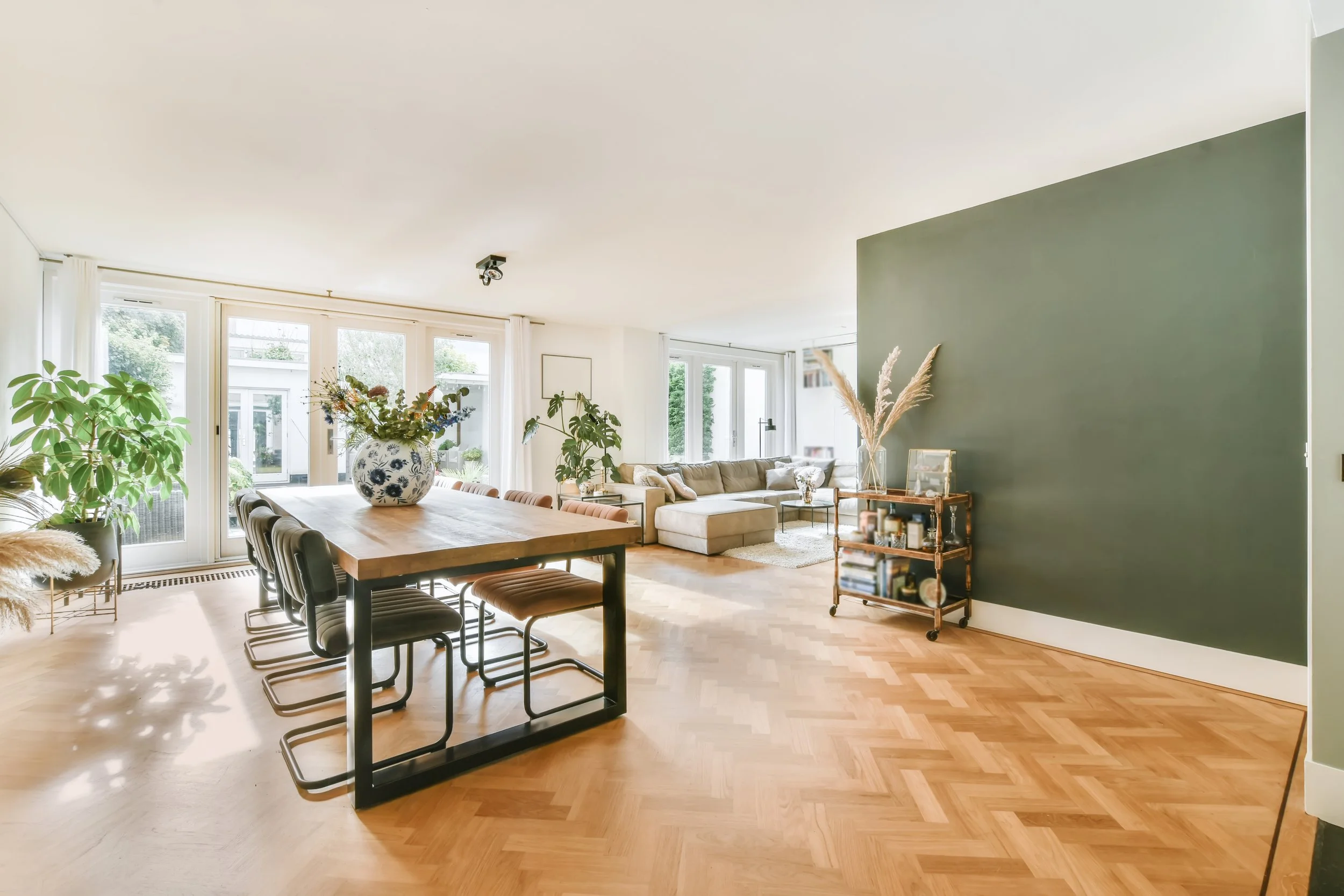
For several years, home design leaned heavily toward cool neutrals, crisp white walls, simple furniture, and highly coordinated spaces. While clean and uncluttered interiors remain popular, many homeowners are now looking for something warmer, more comfortable, and more personal.
The goal is no longer to create a home that looks like a showroom. Instead, people are choosing colors, materials, and furnishings that reflect their lives, interests, and individual style. The result is a more relaxed approach to design that feels welcoming, layered, and lived in.
Warmer Colors Are Taking Center Stage
Cool grays and stark whites are giving way to softer, earthier shades.
Warm beige, creamy white, caramel, terracotta, olive green, deep brown, and muted gold can make a room feel more comfortable and inviting. These colors work well on walls, cabinetry, upholstery, rugs, and decorative accents.
Homeowners do not need to redesign an entire room to participate in this shift. A warm paint color, textured throw, patterned pillow, or wood accent can change the feeling of a space without requiring a major renovation.
Natural Materials Add Comfort
Wood, stone, leather, linen, clay, and woven fibers are becoming increasingly important in home interiors.
These materials bring texture and visual interest into a room while helping it feel connected to nature. Wood cabinetry, stone countertops, woven lighting, linen curtains, and handcrafted pottery can soften the clean lines found in many modern homes.
Mixing materials can also create a more collected appearance. A polished kitchen may feel more approachable when paired with wooden stools, vintage artwork, or a textured runner.
Rooms Are Becoming More Layered
The warmer design movement is not about filling every surface or abandoning simplicity. It is about creating depth through thoughtful layers.
Patterns, textiles, artwork, books, plants, and meaningful objects can make a home feel more complete. Instead of purchasing every piece from the same collection, homeowners are combining newer furniture with antiques, family pieces, travel finds, and handmade items.
This approach allows a room to develop gradually rather than appearing perfectly matched from the beginning.
Personal Style Matters More Than Perfection
Homeowners are becoming more comfortable making choices based on what they genuinely enjoy.
A favorite color, inherited table, collection of framed photographs, or bold piece of artwork can become the starting point for a room. These details help distinguish a home from others and create spaces that tell a story.
Design rules can still provide useful guidance, but they do not need to determine every decision. A home often feels most inviting when it includes a few unexpected elements that reflect the people who live there.
Comfort and Function Remain Essential
A beautiful room should also support everyday life.
Comfortable seating, durable fabrics, practical storage, and flexible layouts are important parts of this design shift. Homeowners want spaces that look attractive but can also handle family gatherings, pets, remote work, hobbies, and quiet evenings at home.
Create a Home That Feels Like You
The movement toward warmer, more personal interiors reflects a broader desire for homes that feel comfortable, authentic, and meaningful.
Whether you introduce richer colors, natural textures, vintage pieces, or personal collections, the goal is not to follow every trend. It is to create a home that feels welcoming and tells your story.