Staging vs. Decorating: Why the Difference Matters
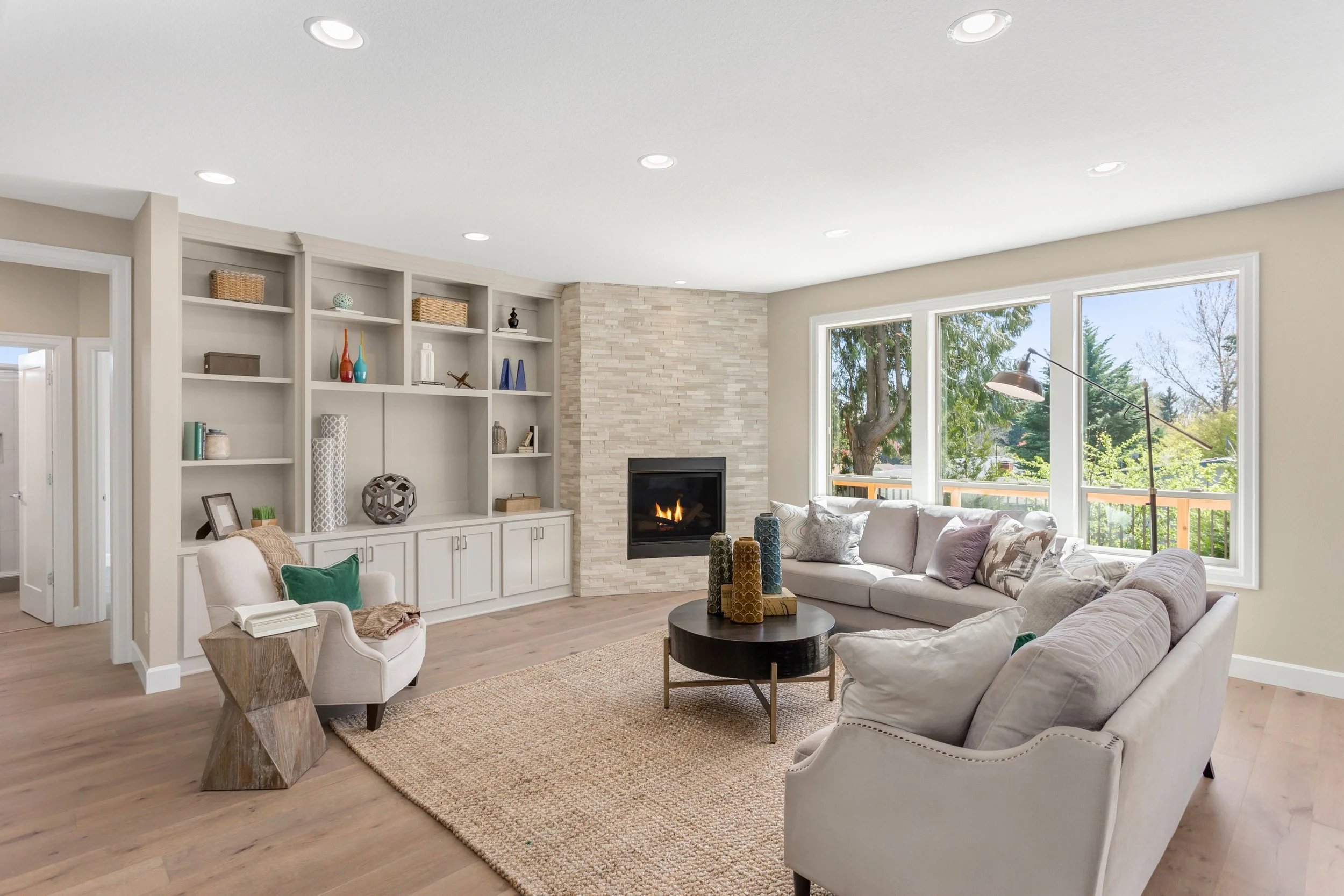
Many homeowners assume that staging and decorating are the same thing. While both involve making a home look attractive, they serve very different purposes. Understanding the difference can have a significant impact on how quickly your home sells and the price buyers are willing to pay.
Decorating is about making a home reflect your personality and lifestyle. Staging is about helping buyers imagine the home as their own. When you're preparing to sell, that distinction becomes incredibly important.
Here is why staging often gives sellers a competitive advantage.
Decorating Reflects the Homeowner
Your home should absolutely feel personal while you are living in it.
Family photos, collections, bold paint colors, unique artwork, and furniture arranged around your daily routines all help make a house feel like home. Decorating allows you to express your style and create spaces that work for your family.
The challenge is that what feels comfortable and meaningful to you may not appeal to every buyer. Personal design choices can make it more difficult for buyers to picture themselves living in the space.
Once your home is on the market, the goal shifts from showcasing your personality to showcasing the home's potential.
Staging Appeals to the Most Buyers
Staging is a marketing strategy, not an interior design project.
A well-staged home highlights its best features while minimizing distractions. Furniture is arranged to make rooms feel larger and more functional. Neutral colors, clean surfaces, and carefully selected accessories help buyers focus on the home's layout, natural light, and architectural details.
Rather than emphasizing your style, staging creates a welcoming environment that appeals to the widest possible audience.
The more buyers who can envision themselves living in your home, the stronger your position becomes.
Less Is Often More
One of the biggest differences between decorating and staging is the amount of furniture and décor in each room.
Many homes accumulate furniture, decorative items, and personal belongings over time. While those pieces may be meaningful, they can make rooms feel smaller or distract buyers from noticing the home's actual features.
Staging often involves removing excess furniture, simplifying shelves, clearing countertops, and creating open, comfortable spaces that photograph well and feel larger during showings.
Creating a sense of space is often more valuable than filling every corner.
Every Room Needs a Clear Purpose
Decorating often evolves over the years as families grow and needs change.
A dining room may become a home office. A guest room may turn into a workout space or storage room. While these arrangements make sense for everyday living, they can confuse buyers.
Staging gives every room a clear and obvious purpose. Buyers should immediately understand how each space can be used without having to guess.
Clearly defined rooms help buyers appreciate the home's functionality and overall layout.
Presentation Influences Perception
Buyers begin forming opinions within moments of seeing a home online or walking through the front door.
A professionally staged or thoughtfully staged home often feels brighter, more spacious, and better maintained. It photographs beautifully, stands out among competing listings, and creates a stronger emotional connection during showings.
While staging cannot change a home's location or floor plan, it can significantly influence how buyers perceive its value.
Preparing Your Home to Sell
Selling your home is not about creating a space that reflects your personal taste. It is about creating a space where buyers can imagine building their own future.
By shifting your focus from decorating to staging, you allow the home's best features to take center stage. That simple change can attract more buyers, generate greater interest, and ultimately help you achieve the strongest possible result when it comes time to sell.