How to Spot a High-Quality Renovation vs. a "Quick Fix"
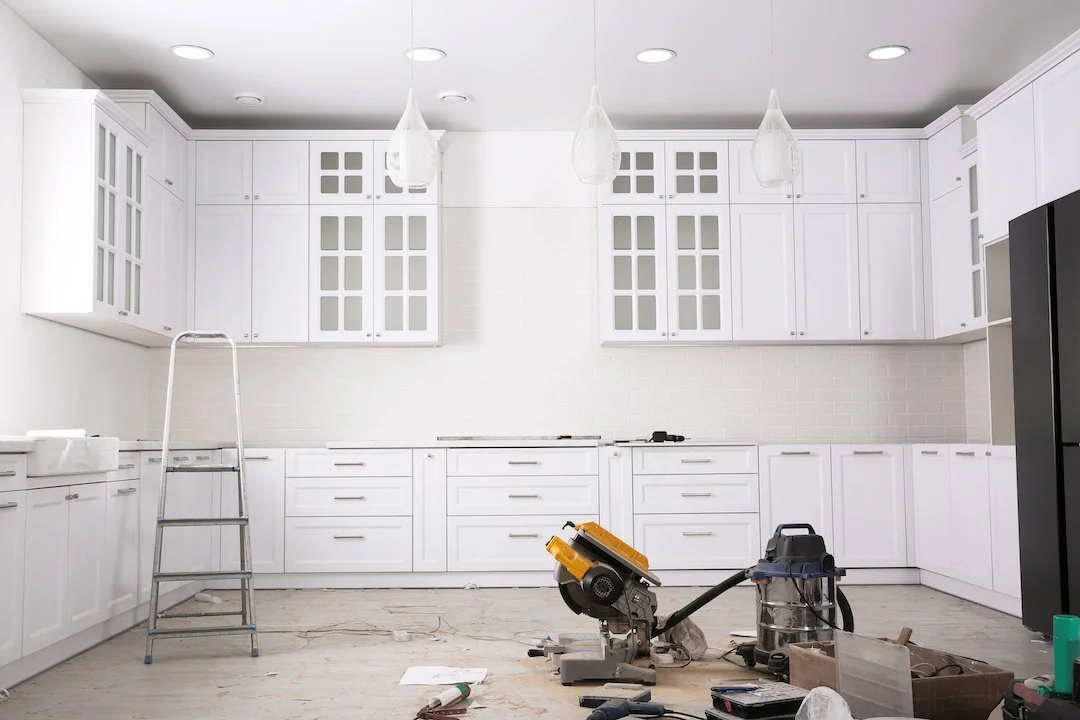
Renovated homes can be incredibly appealing. Fresh finishes, modern layouts, and move-in-ready convenience often make them stand out quickly. But not all renovations are equal. Some are carefully planned and executed with long-term quality in mind, while others are surface-level updates designed to sell fast. Knowing how to tell the difference can help you avoid costly surprises.
Look Beyond the Surface
New paint and stylish fixtures can create a strong first impression, but the real story is in the details. Take a closer look at how the renovation was done.
Check the precision of the work. Are tile lines straight and evenly spaced? Do cabinet doors align properly? Are there gaps in trim or uneven transitions between flooring materials? High-quality work tends to be consistent and intentional, while quick fixes often reveal small imperfections when you look closely.
Evaluate What You Cannot See
A true renovation goes beyond cosmetic updates. It often includes improvements to the home’s core systems, such as electrical, plumbing, HVAC, or roofing.
If a kitchen or bathroom looks brand new but there is no mention of updated systems, it is worth asking questions. Quality renovations typically address both form and function. Documentation, including permits and receipts, can provide reassurance that the work was completed properly and meets current standards.
Look for Consistency Throughout the Home
One common sign of a quick fix is inconsistency. A home may feature a beautifully renovated kitchen, but the rest of the property feels unfinished or mismatched.
A well-done renovation usually carries a consistent level of quality from room to room. Materials, finishes, and overall style should feel cohesive. Even if some areas are less updated, the work should feel intentional rather than selective.
Pay Attention to Materials
The materials used can tell you a lot about the quality of a renovation. Solid wood cabinetry, durable countertops, and well-installed flooring are indicators of thoughtful investment.
Lower-quality renovations may rely on materials chosen for appearance rather than durability, such as thin laminate flooring or inexpensive fixtures. These can look good initially but may not hold up over time. Checking inside cabinets, under sinks, and in less visible areas can reveal whether quality was a priority.
Ask Who Did the Work
Understanding who completed the renovation can provide valuable insight. Was the work done by a licensed contractor, or was it a short-term investor focused on a quick turnaround?
Ask about the timeline as well. A full renovation completed in a very short period may suggest the work was rushed. When possible, review disclosures and consider a thorough home inspection to identify any issues that may not be immediately visible.
Think Beyond the First Impression
A well-renovated home should offer more than visual appeal. It should provide confidence that the work was done correctly and built to last.
Taking the time to evaluate both the visible details and the underlying quality helps ensure that your investment is sound. A home that looks good and performs well over time is always the better choice, even if it requires a bit more diligence upfront.