How to Prepare for a Home Inspection Before You List
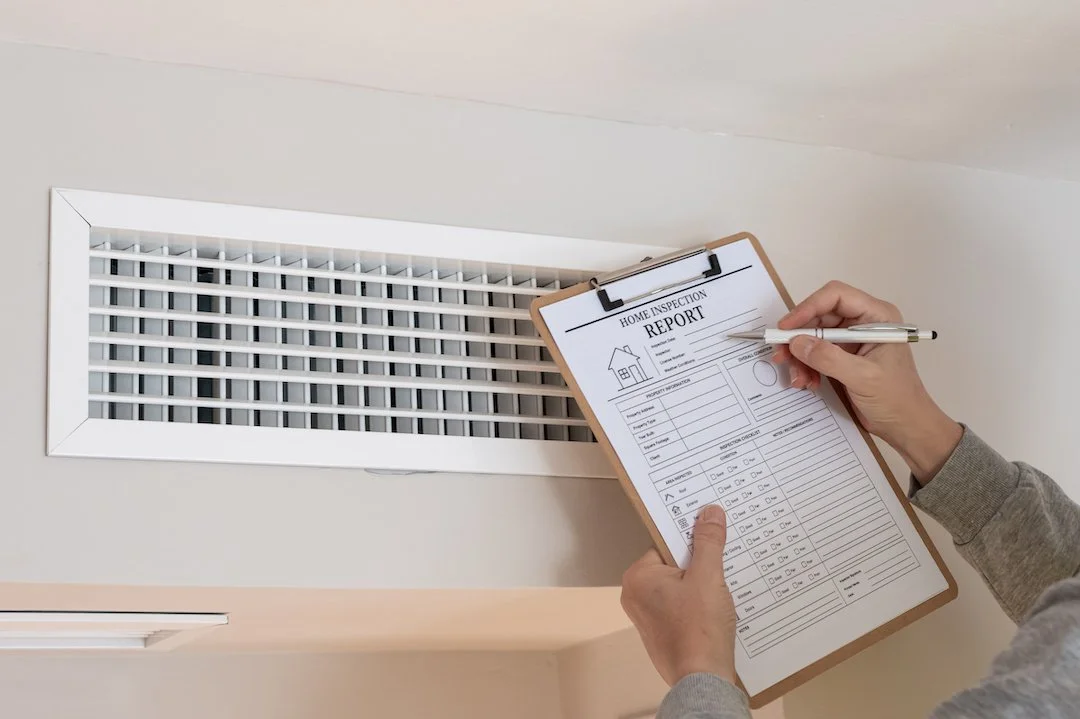
A home inspection can be one of the most important steps in the selling process. Once a buyer is under contract, the inspection may uncover issues that lead to repair requests, credits, renegotiation, or additional questions.
That is why it can be helpful to think about the inspection before your home ever goes on the market. Preparing in advance does not mean trying to make the house perfect. It means taking care of obvious concerns, making the home easy to inspect, and reducing the chance of avoidable surprises.
Take Care of Small Repairs
Start with the little things you may have stopped noticing over time.
Loose doorknobs, dripping faucets, cracked switch plates, missing caulk, running toilets, broken light fixtures, and sticking doors may seem minor, but a long list of small issues can make a home feel less well maintained.
Addressing these items before listing can help the property make a stronger impression and may keep the inspection report from becoming unnecessarily cluttered.
Check the Major Systems
Buyers and inspectors will pay close attention to the roof, heating and cooling systems, plumbing, electrical components, and water heater.
You do not necessarily need to replace an older system simply because of its age, but it is helpful to know its condition. If your furnace or air conditioner is due for service, consider having it checked. Replace dirty filters and make sure systems are operating properly.
If you already know about a significant problem, discuss it with your real estate professional before listing so you can decide how best to address it.
Look for Signs of Water or Moisture
Water concerns tend to get a buyer’s attention quickly.
Check under sinks, around toilets, near windows, in the basement, and around the roofline for signs of leaks or staining. Make sure gutters and downspouts are clear and direct water away from the foundation.
If you discover an active leak, it is usually better to address the source rather than simply covering the cosmetic damage.
Make Everything Accessible
An inspector needs access to many areas of the home.
Clear the space around the electrical panel, furnace, water heater, attic entrance, crawl space, and under sinks. Remove stored items that block important systems or make it difficult to inspect walls and floors.
If you have a garage, basement, or utility room filled with boxes, create enough space for someone to move around safely.
Gather Helpful Records
Documentation can provide useful context about the home.
If you have receipts or records for roof work, HVAC servicing, appliance replacements, electrical upgrades, plumbing repairs, or other improvements, gather them before listing.
These records may help answer buyer questions and show that you have maintained the property over time.
Prepare Without Overdoing It
The goal is not to eliminate every possible issue. Most homes, including well-maintained ones, will have items noted during an inspection.
Instead, focus on obvious repairs, proper maintenance, accessibility, and anything that could become a major concern for buyers.
Preparing ahead of time can make the inspection process feel more manageable and help reduce last-minute surprises after you accept an offer. With a little planning and the right guidance, you can enter the selling process with greater confidence.