How to Avoid Falling Out of Contract
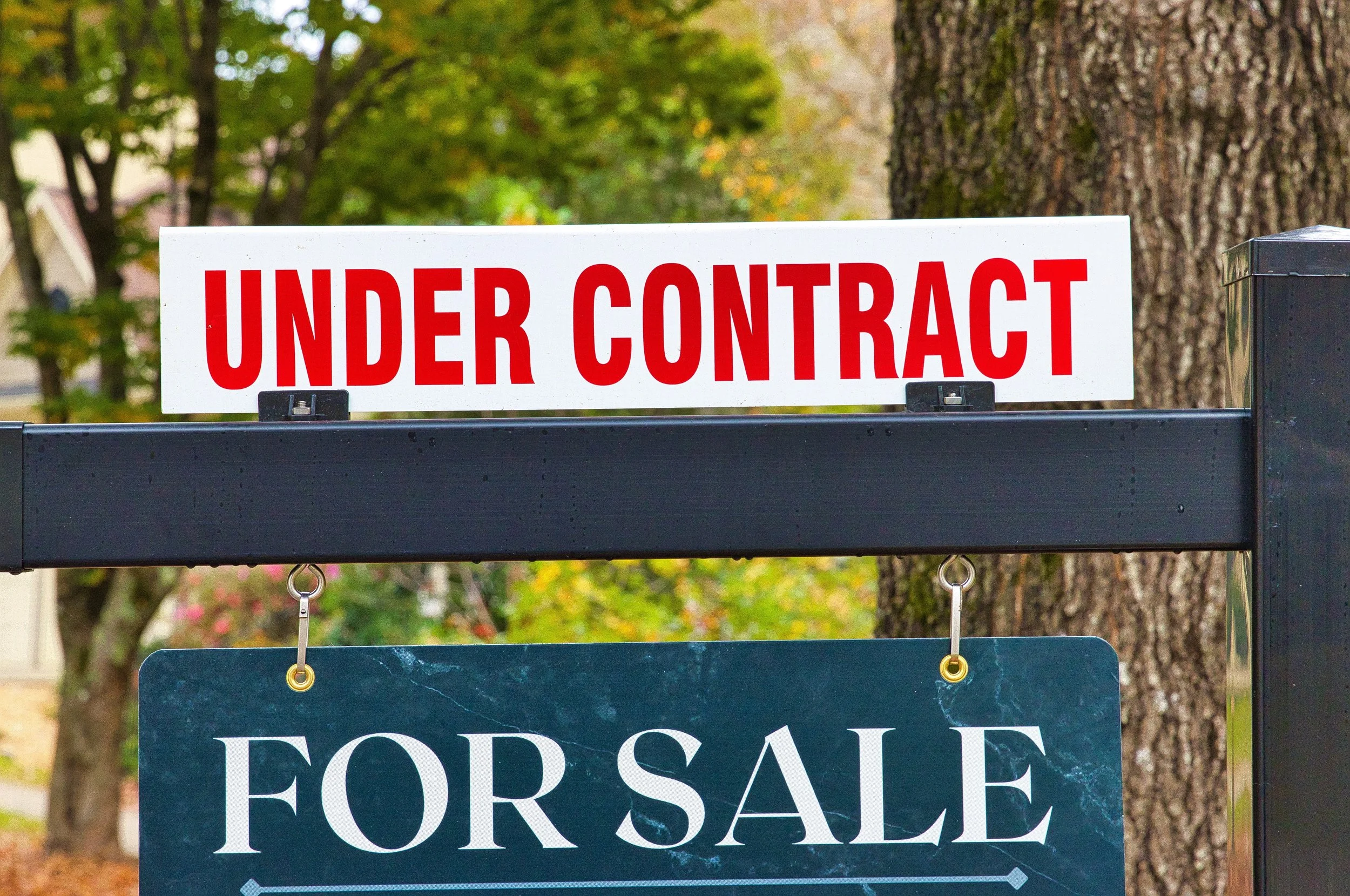
When you accept an offer, it feels like the hard part is over. In reality, the period between “under contract” and “sold” is where many deals fall apart. Inspections, appraisals, financing, and timelines all introduce opportunities for delay or derailment. Understanding how to protect your transaction during this phase can mean the difference between a smooth closing and starting over.
Stay Responsive and Organized
One of the most common reasons contracts stall is slow communication. Buyers and lenders work on tight timelines, and delays can create uncertainty or frustration. Respond promptly to requests for documents, disclosures, and access for inspections or appraisals. Keep a simple checklist of deadlines and required items so nothing slips through the cracks. A seller who is organized and responsive helps maintain momentum and reassures everyone involved that the deal is on track.
Prepare for the Inspection Phase
Inspections are often the most emotionally charged part of the process. Buyers may uncover issues they did not anticipate, and requests for repairs can feel personal. The key is to approach this phase with flexibility and perspective. Most inspection reports look intimidating, even in well-maintained homes. Focus on the items that truly matter, such as safety concerns or major systems. Be open to reasonable requests, and remember that negotiation is part of the process, not a sign of failure.
Avoid Overreacting to Appraisal Results
Appraisals can introduce stress, especially if the value comes in lower than expected. A low appraisal does not automatically mean the deal is dead. Options may include renegotiating the price, adjusting terms, or having the buyer bring additional funds. Stay calm and let your agent guide the conversation. Many deals are successfully restructured at this stage when both parties remain solution-oriented.
Understand the Buyer’s Financing
Even strong offers depend on financing details. Know whether your buyer is using a conventional loan, FHA, VA, or another program, as each comes with different requirements. Be aware of the buyer’s contingency timelines and what happens if they are not met. A clear understanding of the buyer’s financial path allows you to anticipate potential hurdles and address them early.
Keep the Property in Showing Condition
Until closing day, your home should remain in the same condition it was in when the buyer made their offer. Avoid making major changes or removing fixtures that were present during showings. Continue basic maintenance, and keep the home clean and accessible. Buyers may return for walkthroughs or appraisals, and consistency builds confidence that the home is being cared for.
Maintain a Professional Mindset
It is easy to become emotionally invested once you are under contract. However, treating the transaction like a business agreement helps you navigate challenges more effectively. Stay focused on the end goal rather than each small bump along the way. A calm, cooperative approach encourages the buyer to do the same and reduces the risk of decisions made out of frustration.
Lean on Expert Guidance
Your agent’s role becomes especially important after the contract is signed. They coordinate timelines, manage communication, and help you interpret each step. Trust their experience. When issues arise, they can often offer multiple solutions you may not have considered.
Falling out of contract is rarely caused by a single event. It is usually the result of compounded delays, miscommunication, or emotional reactions. By staying organized, flexible, and proactive, you protect your deal and keep it moving forward. The path to closing is rarely perfect, but with the right approach, it can remain steady and successful.