What to Know Before Buying a Recently Renovated Home
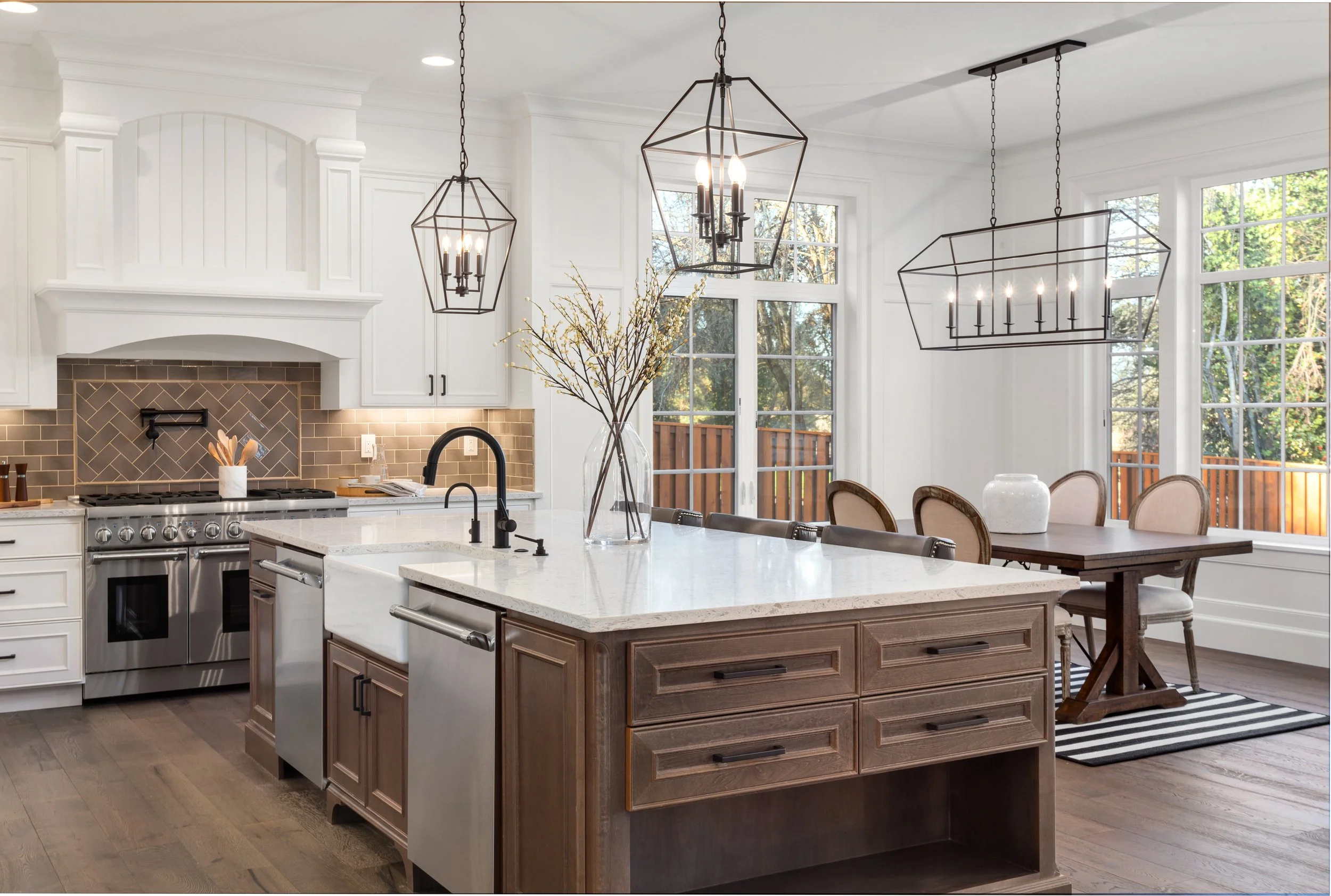
A recently renovated home can be especially appealing to buyers. Fresh finishes, updated kitchens, modern bathrooms, and move in ready spaces may reduce the need for immediate projects after closing.
However, not every renovation is completed to the same standard. Some updates improve the home’s comfort, value, and functionality, while others may focus mainly on appearance. Before making an offer, buyers should look beyond the new flooring and fresh paint to understand the quality and scope of the work.
Ask What Was Renovated
Begin by asking which parts of the home were updated and when the work was completed.
A full renovation may include plumbing, electrical systems, insulation, roofing, windows, and heating or cooling equipment. A cosmetic renovation may involve cabinets, countertops, fixtures, flooring, and paint without addressing the home’s underlying systems.
Neither type is necessarily a problem, but buyers should understand exactly what they are purchasing. Request a list of improvements, receipts, warranties, contractor information, and product details when available.
Confirm That Permits Were Obtained
Some renovations require permits and inspections from the local municipality.
Work involving structural changes, electrical wiring, plumbing, additions, or major mechanical systems may need official approval. Ask whether permits were obtained and properly closed after the work was completed.
Unpermitted work can create complications later, particularly when you renovate, refinance, obtain insurance, or sell the property. Your real estate agent can help you determine which questions to ask and where permit records may be available.
Schedule a Thorough Inspection
A newly renovated home should still receive a professional home inspection.
Fresh finishes can make a property look flawless, but they do not guarantee that everything behind the walls was installed correctly. An inspector can evaluate the roof, foundation, electrical system, plumbing, heating and cooling equipment, drainage, and other major components.
Depending on the home, you may also consider specialized inspections for sewer lines, fireplaces, pests, radon, mold, or structural concerns. These evaluations can provide valuable information before the inspection contingency expires.
Look Closely at Workmanship
Take time during the showing to examine the details of the renovation.
Look for uneven flooring, poorly aligned cabinets, loose fixtures, gaps in trim, cracked tile, sticking doors, and signs of water damage. Test faucets, appliances, windows, outlets, and light switches when appropriate.
Small imperfections are common, but several unfinished or poorly executed details may indicate that other parts of the renovation were rushed as well.
Review Warranties and Documentation
Ask whether any warranties transfer to the new owner.
Appliances, roofing materials, windows, heating systems, and contractor work may include coverage. Having the original documentation can make it easier to request service if a problem develops after closing.
Buyers should also confirm whether renovated spaces are included accurately in the home’s square footage, bedroom count, and property records.
Consider the Renovation in the Price
Updated homes often command a higher price because buyers are paying for convenience and completed improvements.
Compare the property with both renovated and unrenovated homes nearby. Consider the quality of the materials, the extent of the work, and how well the updates fit your needs.
A recently renovated home can be a wonderful purchase, but careful evaluation is still essential. By reviewing the improvements, confirming permits, completing inspections, and examining the quality of the work, you can move forward with greater confidence and enjoy the benefits of a home that is truly ready for its next chapter.