The Key Interior Design Trends Set to Define the Year Ahead
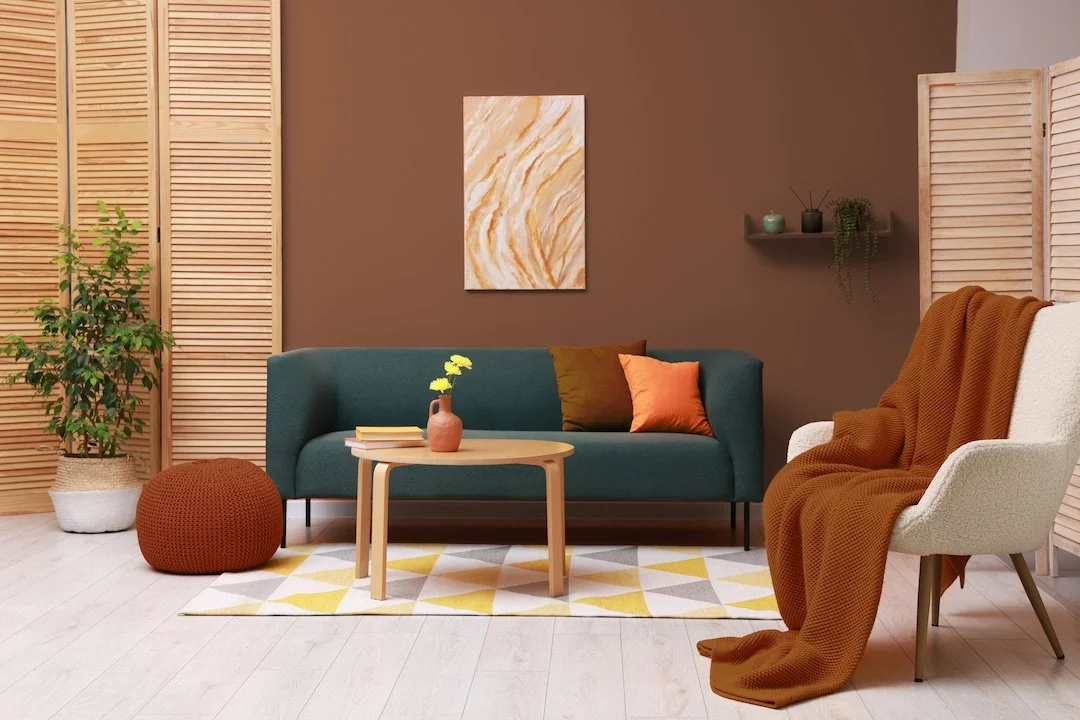
As we move into 2026, the interior design landscape is undergoing a profound transformation. The stark, sterile minimalism that once dominated the industry has been replaced by a movement toward emotional architecture. This new era focuses on how a space feels rather than just how it looks in a photograph. Designers are prioritizing sensory experiences, historical depth, and a sophisticated integration of technology that honors the human need for tranquility.
The Rise of Immersive Color
The 2026 color palette marks a definitive end to the reign of cool grays. In their place, we see the emergence of transformative teal and deep, edible earth tones. Transformative teal, a fluid blue green, has become the cornerstone of the year’s aesthetic, representing a collective desire for restoration and mental clarity.
Beyond the colors themselves, the application has changed. The technique of color drenching has moved into the mainstream. This involves painting walls, ceilings, baseboards, and even window frames in a single, saturated hue. This creates a cocooning effect that provides a sense of security and focus, turning ordinary rooms into immersive sanctuaries. Complementing these teals are rich browns such as cocoa, truffle, and burnt terracotta, which provide a grounding, organic foundation for the modern home.
Sensorial Textures and Raw Materials
Texture has officially overtaken pattern as the primary tool for creating visual interest. The trend toward sensorial immersion means that every surface is designed to be touched. Fluted and ribbed details are everywhere, appearing on kitchen islands, wooden cabinetry, and even bathroom glass. These vertical lines add a rhythmic, architectural quality to furniture without the need for excessive ornamentation.
Natural materials are also being left in their most honest states. Polished, high-shine surfaces have given way to honed, matte, and irregular finishes. We see a surge in the use of unpolished travertine, hammered metals, and unlacquered brass. These living finishes are prized for their ability to age over time, developing a unique patina that tells the story of the home.
Modern Nostalgia and Organic Shapes
Current aesthetics celebrate a concept known as modern nostalgia. This is a curated blend of archival, heirloom-quality pieces and ultra-modern silhouettes. The goal is to move away from the look of a mass-produced showroom and toward a home that feels collected over time.
Furniture shapes have become increasingly voluptuous and organic. Sharp, rigid edges are being swapped for kidney-shaped tables and curved sofas that mimic the fluidity of nature. These softer forms are not only more comfortable but also more conducive to conversation and relaxation, breaking the traditional boxy constraints of interior architecture.
Invisible Technology and Wellness Zones
Technology in the home has become remarkably discreet. The focus is now on invisible tech, where smart features are hidden behind natural materials to maintain a screen-free atmosphere. Wireless charging is being built directly into stone countertops, and sound systems are integrated behind plaster walls or wood paneling.
As a reaction to digital fatigue, homeowners are also dedicating more square footage to analog spaces. These include dedicated libraries, meditation nooks, and listening rooms for vinyl records. Wellness has moved into the very infrastructure of the home, with lighting systems that automatically adjust to the human circadian rhythm and bathrooms designed as high-tech spas, featuring integrated infrared saunas and air purification systems.
The home of the future is a sophisticated balance of the past and the future, prioritizing the physical and emotional well-being of those who live within its walls.