The Hidden Value of "Boring" Upgrades
In real estate, attention often goes to the visible. Renovated kitchens, statement lighting, and high-end finishes tend to capture interest and drive emotional reactions. But some of the most valuable improvements a homeowner can make are far less exciting. These are the “boring” upgrades, the ones that are rarely featured in listing photos but play a major role in how a home performs, functions, and ultimately sells.
If you are thinking about improving your home, it is worth understanding where real value often comes from.
Start With What Buyers Cannot Always See
Buyers notice aesthetics first, but they evaluate risk just as quickly. When a home feels well-maintained beneath the surface, it creates confidence. When it does not, it creates hesitation.
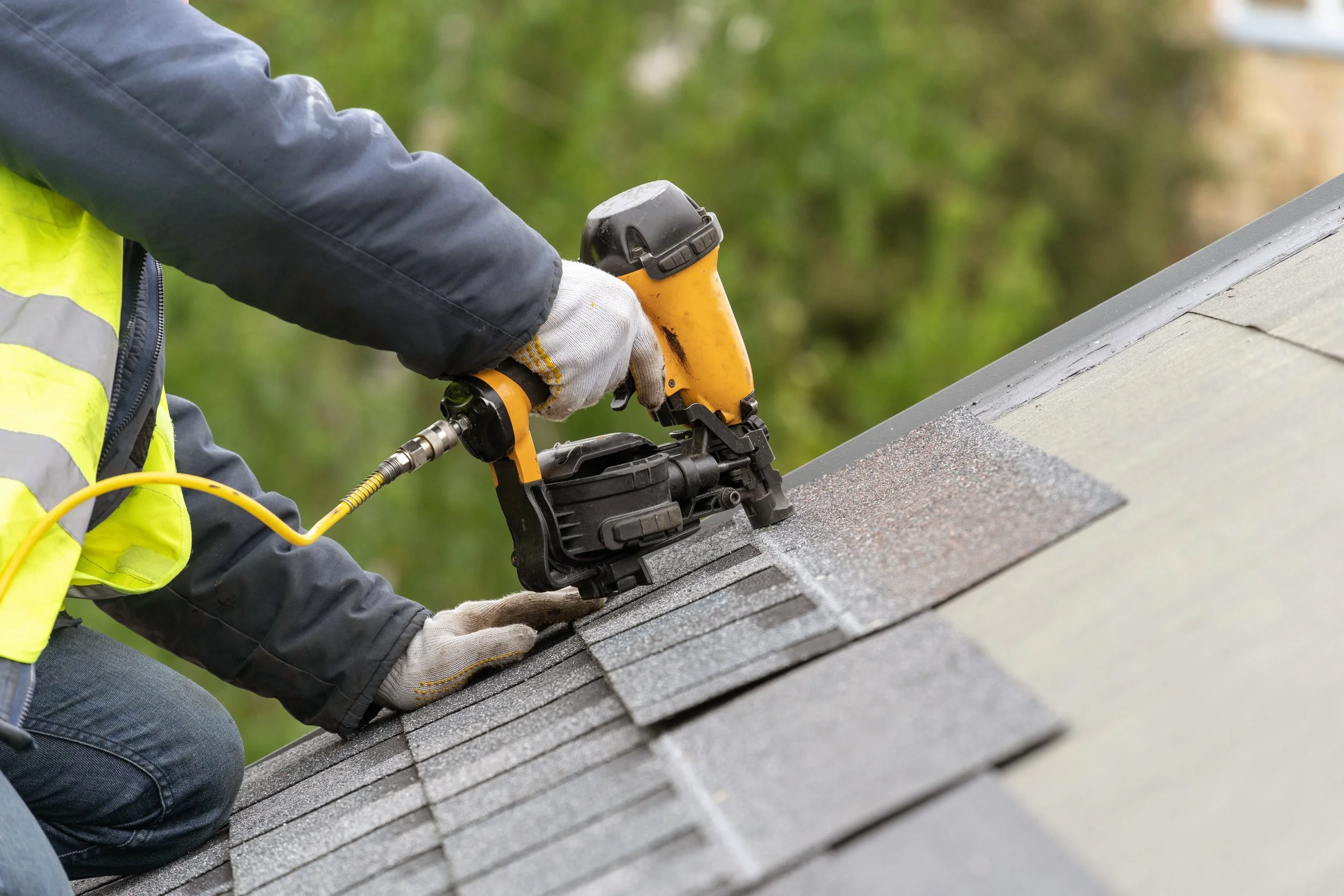
Upgrades like a new roof, updated HVAC system, modern electrical panel, or improved plumbing rarely generate excitement, but they eliminate uncertainty. Buyers may not walk into a home and comment on a new water heater, but they will feel reassured knowing they will not need to replace one in the near future.
These improvements reduce perceived risk, and that can directly influence both offers and negotiations.
Prevent Problems Before They Start
“Boring” upgrades are often preventative. They address issues before they become visible, expensive problems.
Proper insulation, sealed windows, drainage improvements, and foundation maintenance all fall into this category. They may not change how a home looks, but they significantly impact how it performs over time.
In today’s market, where buyers are more cautious and informed, signs of deferred maintenance can be enough to stop momentum. Preventative upgrades help avoid those red flags before they appear.
Support Long-Term Efficiency
Many behind-the-scenes improvements also contribute to efficiency. Updated systems, improved insulation, and energy-efficient components can lower monthly costs and create a more comfortable living environment.
While these features may not be immediately visible, they matter to buyers who are thinking beyond the purchase price. Lower utility bills and fewer unexpected repairs can make a home more attractive over time.
Efficiency is not just about sustainability. It is about predictability.
Strengthen Your Position During Inspection
One of the most common points where deals fall apart is during the inspection. This is where “boring” upgrades often prove their value.
A home with updated systems and minimal maintenance issues is less likely to trigger concerns or renegotiation. It creates a smoother path to closing.
On the other hand, homes with aging systems or visible wear may lead to repair requests, credits, or even contract cancellations.
Investing in these areas ahead of time can protect your position later.
Balance Visible and Invisible Improvements
This is not to say that aesthetic upgrades do not matter. They do. Presentation plays a key role in attracting buyers.
But the most effective strategy is balance. Pair visible updates with underlying improvements that support the home’s condition and performance.
A beautifully staged home with strong systems behind it stands out not just for how it looks, but for how it feels.
Where the Real Value Is
The upgrades that deliver the most value are not always the ones that draw the most attention.
Behind-the-scenes improvements, those that strengthen structure, systems, and efficiency, build trust. They reduce risk, support long-term performance, and create a stronger overall impression.
In a market where buyers are paying closer attention than ever, that kind of value is anything but boring.