The Future of Efficiency: Strategic Upgrades for the Modern Home
As energy costs fluctuate and environmental consciousness grows, the focus of home improvement is shifting from purely aesthetic changes to performance-based upgrades. For today’s homeowner, energy efficiency is no longer a niche interest but a primary driver of home value and daily comfort. By choosing the right projects now, you can significantly reduce utility bills while ensuring your property remains competitive in an increasingly green market.
Strengthening the Home Envelope
The most effective way to improve efficiency is to address the home envelope, the physical barrier between your living space and the outdoors. Air leaks around windows, doors, and attic hatches are often the primary culprits for energy loss, forcing heating and cooling systems to work much harder than necessary.
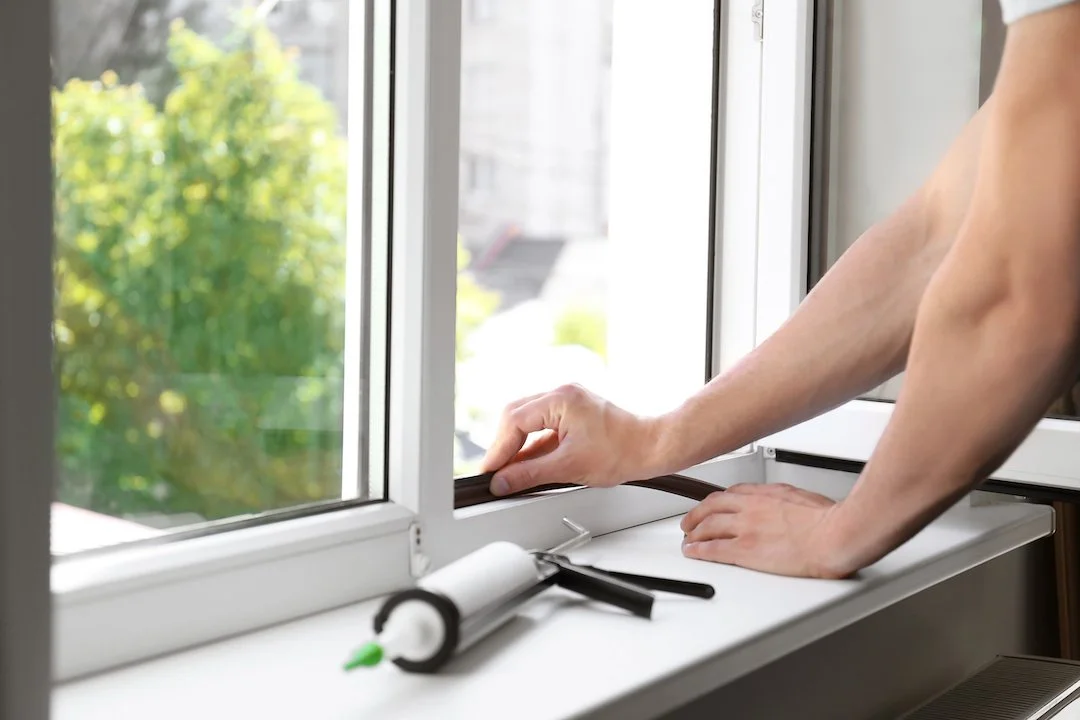
Sealing these gaps with weatherstripping or professional-grade caulk is one of the most cost-effective moves you can make. Beyond sealing, upgrading attic insulation to modern standards is a high-impact project that pays for itself quickly through reduced monthly expenses. These invisible improvements create a more stable indoor climate, eliminating the drafts and cold spots that often plague older properties.
The Shift Toward Heat Pump Technology
Traditional furnaces and air conditioners are being replaced by high-efficiency heat pump systems. Unlike older units that generate heat through combustion, heat pumps move heat from one place to another, making them remarkably more efficient.
In many regions, dual-zone mini split systems are becoming the gold standard. These allow you to heat or cool specific areas of the home independently, ensuring you are not wasting energy on empty rooms. When paired with a smart thermostat that learns your daily routines, these systems can reduce heating and cooling costs by nearly twenty percent.
Performance-Oriented Windows and Doors
If your current windows are single-pane or over twenty years old, they are likely a major source of thermal transfer. Modern replacements featuring low-emissivity coatings and multi-pane glass act as a thermal mirror, reflecting heat back into the house during winter and blocking solar heat in the summer.
Similarly, replacing a drafty front entry with a modern steel or fiberglass insulated door is a strategic move. These materials offer far superior R values compared to traditional wood, and because the entry is the first thing people notice, it provides an immediate boost to the home’s perceived quality and security.
Investing in Solar and Storage
For those looking toward long-term energy independence, solar integration has become more streamlined and affordable. The focus has shifted from massive, all-or-nothing installations to scalable systems paired with battery storage. This allows homeowners to capture energy during the day and use it during peak evening hours when utility rates are highest. This level of control provides a hedge against rising energy prices and adds a layer of resilience during power outages.
By viewing energy efficiency as a connected system—starting with a tight envelope and moving toward high-performance equipment—you create a home that is as sustainable as it is comfortable.