The Art of Telling Your Story at Home
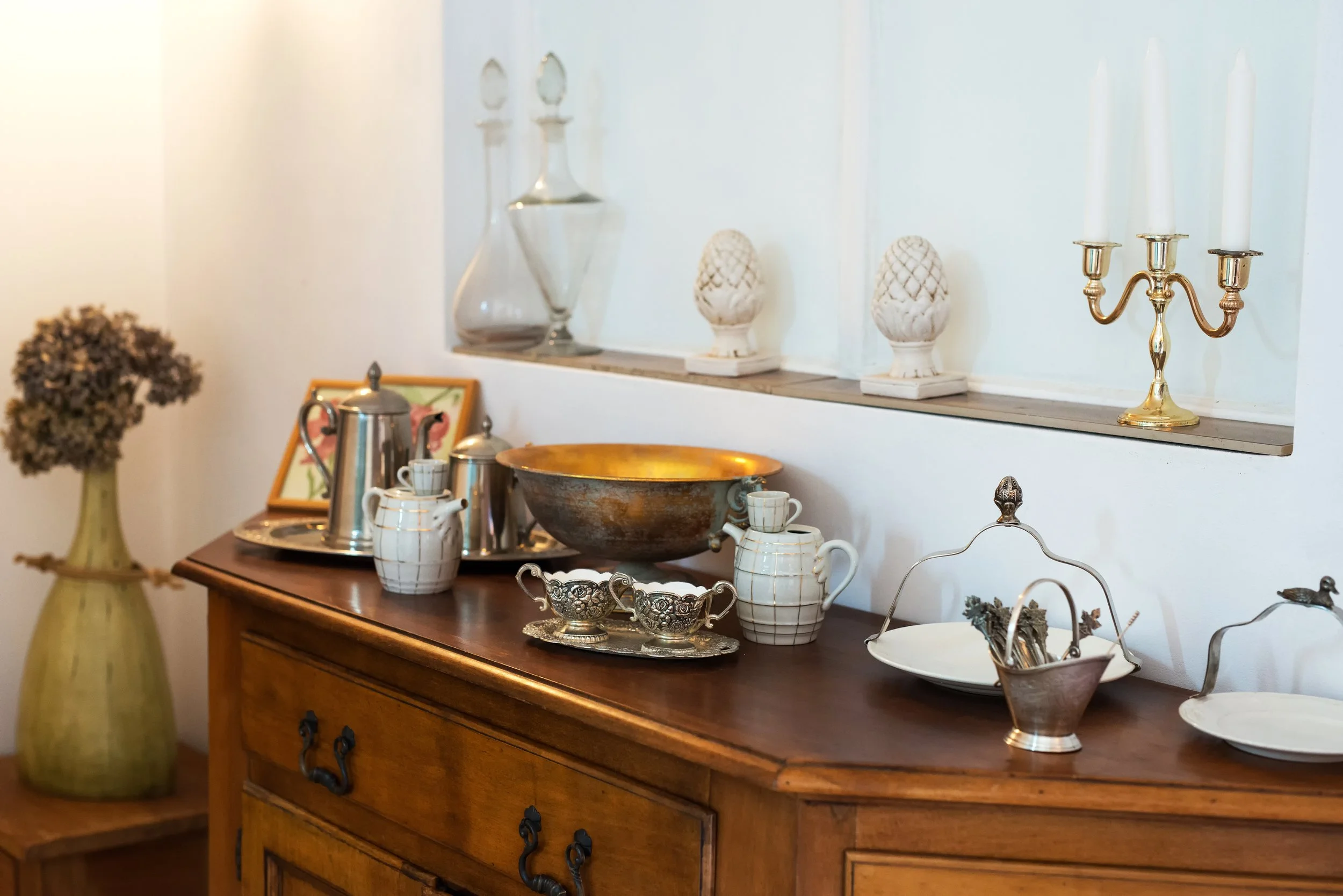
For years, home design has leaned toward restraint. Neutral palettes, clean lines, and minimal décor dominated the conversation. While that aesthetic still has a place, a quieter shift is taking hold, one that feels more personal and expressive. Instead of aiming for simplicity alone, homeowners are embracing spaces that reflect who they are, where they have been, and what matters to them.
This approach to design is less about achieving a polished look and more about intention. Homes become layered, collected, and meaningful, shaped over time rather than completed all at once.
The Foundation: Curation Over Chaos
One of the biggest misconceptions about fuller, more expressive interiors is that they lack discipline. In reality, these spaces rely on careful selection. The difference lies in curation.
Rather than filling shelves with decorative items chosen to match, homeowners are displaying objects that carry significance. A piece of furniture inherited from family, artwork collected during travel, or everyday items tied to memory become focal points. Each piece earns its place, contributing to a sense of depth without feeling cluttered.
This kind of curation creates rooms that feel lived in, not styled for a moment.
How to Tell Your Story at Home
Designing a home this way begins with reflection. Consider the experiences, places, and people that have shaped your life. When choices are rooted in meaning, the design process becomes more intuitive and less overwhelming.
Layering plays an important role. Start with foundational elements like wall color, rugs, and primary furniture, then build gradually. Mixing materials such as wood, metal, fabric, and ceramics adds richness and texture. Allow rooms to evolve naturally rather than trying to reveal everything at once.
Personal objects are essential. Books you return to, art with a backstory, and heirlooms passed through generations create connection. These elements invite conversation and warmth in a way mass produced décor rarely can.
Restraint still matters. The goal is not to display everything, but to create balance. Editing ensures the space feels intentional rather than crowded.
Why It Works: The Return to Authenticity
The magic of Narrative Maximalism is its inherent sustainability and emotional resonance. By embracing vintage finds and family heirlooms, you are moving away from the "fast furniture" cycle. This trend rewards the hunter and the collector, making the process of decorating a lifelong journey rather than a weekend project.
Psychologically, being surrounded by objects that spark memory and joy creates a sense of "rootedness." In a world that often feels digital and ephemeral, a home designed with narrative intent provides a tactile sanctuary of self-expression.
A Home That Feels Like You
This approach to design is not a trend in the traditional sense. It is not defined by specific colors or furniture styles, but by the freedom it gives homeowners to express who they are.
When done thoughtfully, a home shaped by personal meaning feels warm, layered, and unmistakably individual. It reflects a life in progress rather than a showroom. In a world filled with constant inspiration and comparison, it serves as a reminder that the most compelling design story is the one only you can tell.