How to Spot a Home That Holds Its Value Over Time
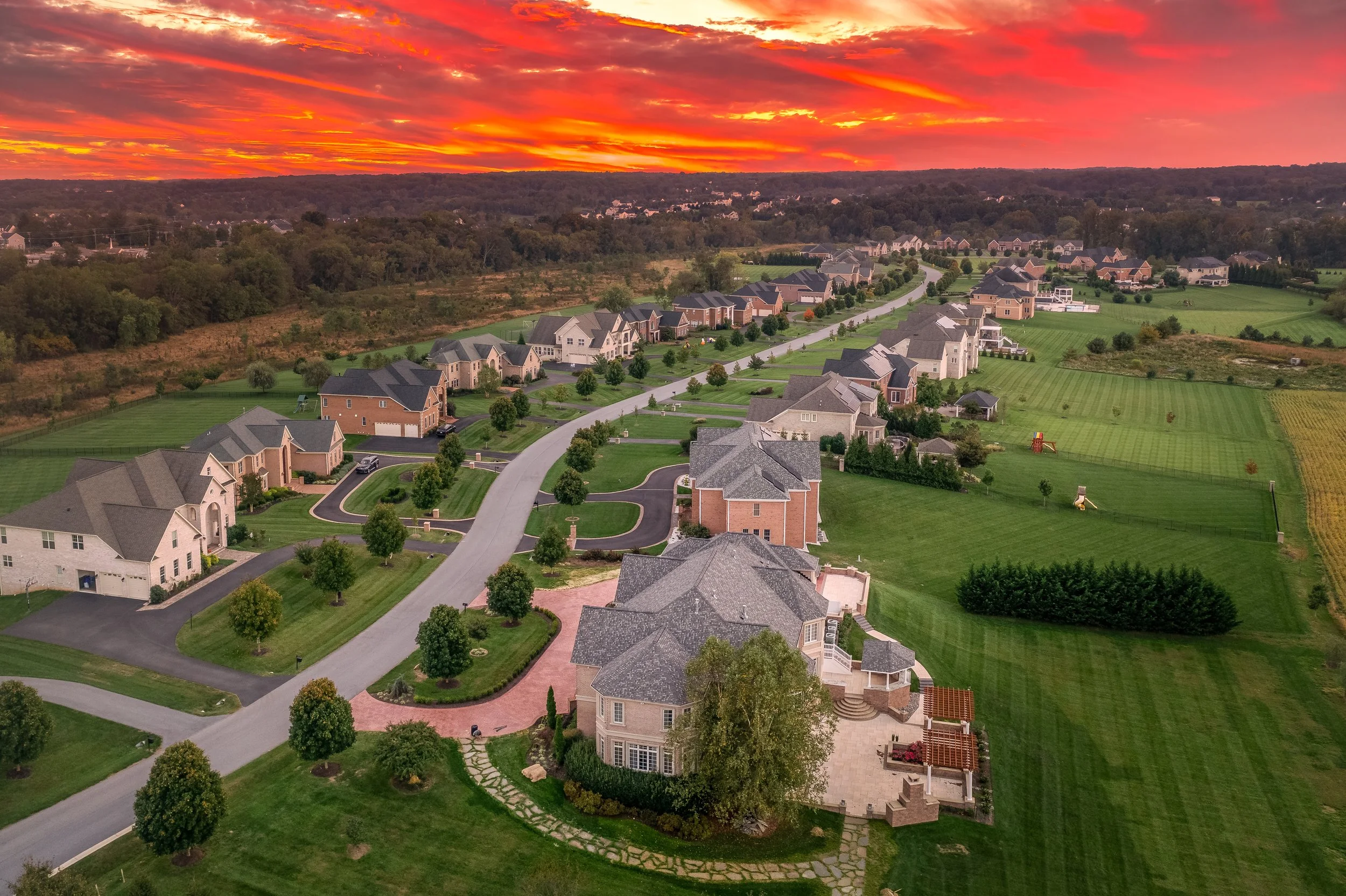
Buying a home is both an emotional and financial decision. While finishes and staging can capture attention, long-term value is shaped by deeper factors. If you want a property that performs well over time, you have to look beyond surface appeal and evaluate the fundamentals.
Location Still Leads
The phrase “location matters” may feel overused, but it remains the single most consistent driver of value. Homes in desirable neighborhoods tend to hold and appreciate more reliably than those in less established areas.
Look at proximity to strong schools, employment centers, transportation access, and community amenities such as parks, restaurants, and shopping. Walkability and neighborhood cohesion also matter. Even during market shifts, well-located homes typically recover faster and attract consistent buyer interest.
Pay attention to surrounding development as well. Areas with thoughtful growth, infrastructure investment, and stable property upkeep signal long-term strength.
Quality of Construction
A home built with solid materials and craftsmanship will age differently than one built with shortcuts. Pay attention to structural integrity, roof condition, foundation stability, window quality, and mechanical systems.
Cosmetic updates can be changed easily. Structural issues cannot. During showings, look past paint colors and décor. Notice how doors close, how floors feel underfoot, and whether there are signs of water damage or deferred maintenance.
Homes with strong “bones” provide flexibility. They allow future owners to update aesthetics without facing major structural expenses.
Functional Layout
Trends come and go, but functionality endures. Homes that flow logically and make daily life easier tend to retain value.
Look for practical bedroom placement, adequate storage, comfortable ceiling heights, and natural light. An open concept may be appealing, but what matters more is how the space works for modern living. Flexible rooms that can serve as offices, guest rooms, or play areas add long-term appeal.
Poor layouts are difficult and expensive to correct. A well-designed floor plan, however, adapts with lifestyle changes.
Lot and Exterior Appeal
The lot itself contributes significantly to value. Larger lots, usable outdoor space, and privacy often command stronger resale potential. Orientation also plays a role. Natural light, yard usability, and views influence buyer perception for years to come.
Curb appeal is not just about landscaping. It reflects pride of ownership and neighborhood standards. Streets with consistent upkeep and attractive facades support stable property values.
Market Track Record
Before making an offer, review historical data. How have values in the neighborhood performed over five to ten years? Has the area shown steady appreciation, or has it experienced volatility?
While past performance does not guarantee future results, consistent historical stability provides useful insight. Markets with diversified employment and balanced inventory levels often demonstrate resilience.
Think Beyond Today
The home that holds its value is rarely the flashiest one on the block. It is the property with strong fundamentals, thoughtful design, and a desirable setting.
When evaluating a home, ask yourself not only whether you love it today, but whether future buyers will love it too. A home that appeals broadly, functions well, and sits in a strong location is far more likely to protect and grow your investment over time.