How Neighborhood Real Estate Markets Change Over Time
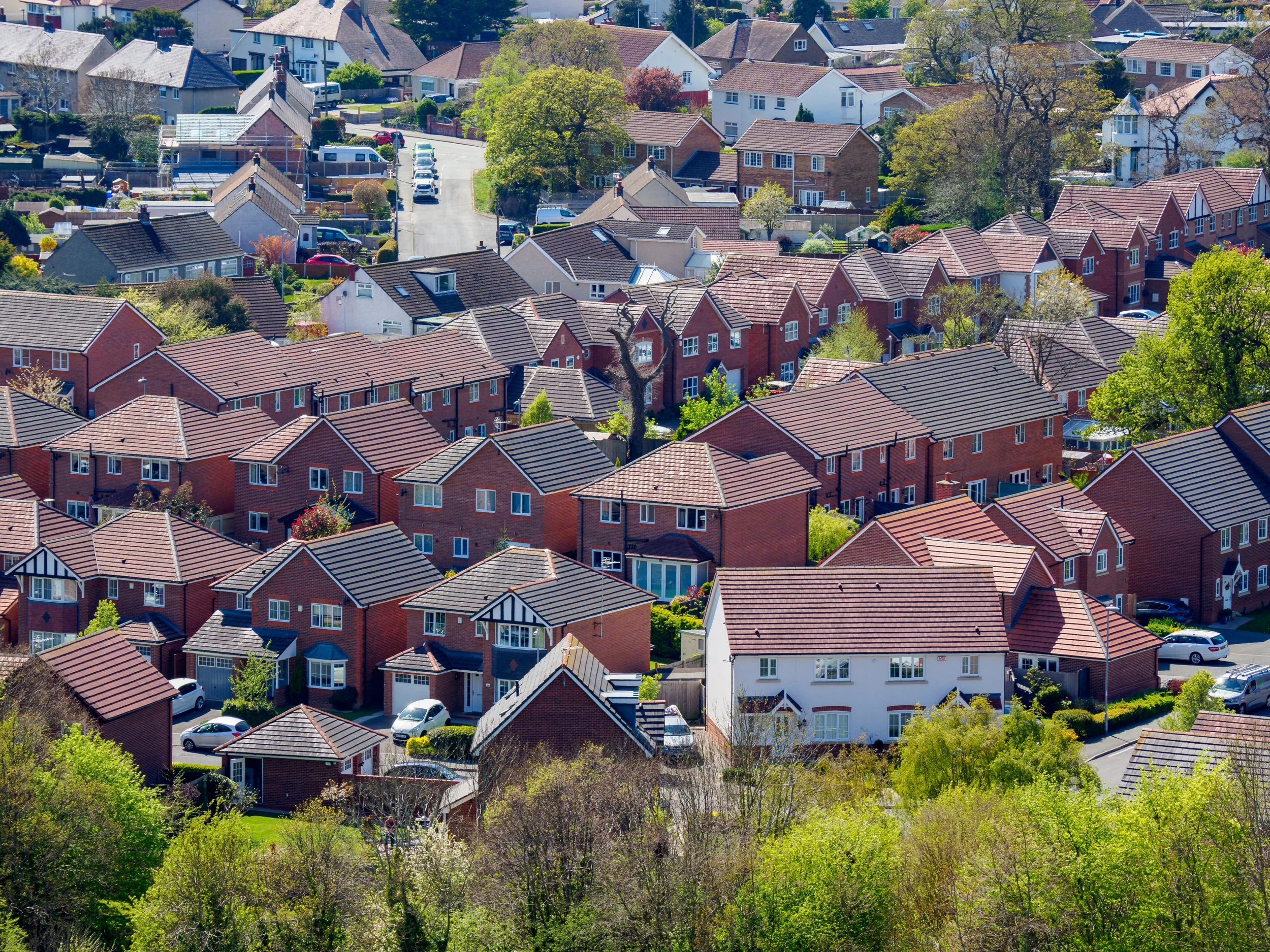
Have you ever driven through a neighborhood you know well and noticed how different it looks from a few years ago? Maybe new homes have gone up, older ones have been renovated, or a new coffee shop or grocery store has opened nearby.
Those changes can affect more than the look and feel of a neighborhood. They can also influence its real estate market.
So what can cause a neighborhood's real estate market to change over time?
Let's start with the housing supply.
When new homes are built, there are more properties available for buyers to choose from. New construction can introduce different home sizes, layouts, and price points, which can expand the range of properties available. When construction is limited and demand remains strong, buyers have fewer options. The National Association of REALTORS® (NAR) tracks housing supply and demand because the balance between the two can influence affordability and price pressure.
The existing housing stock matters, too. A neighborhood with mostly older homes may gradually see renovations, additions, or replacements change the look and functionality of the area.
Then there are the things happening around the homes.
Changes in nearby amenities, transportation, commercial development, and land use can influence how appealing an area is to the market. Fannie Mae's appraisal guidance specifically identifies proximity to employment and amenities, public transportation, changes in land use, and local services as factors that can affect the value and marketability of properties.
Buyer preferences can play a role as well. Walkability is one example of a neighborhood feature that has become important to many people. NAR's 2026 Community and Transportation Preference Survey found that 89% of respondents value sidewalks and places to walk, while 82% place importance on having shops and parks within walking distance.
Economic conditions also reach down to the neighborhood level. Changes in employment, mortgage rates, inventory, and household finances can affect how much buyers can spend and how much competition exists for available homes. That is one reason real estate conditions can vary significantly from one market to another, even within the same state or metropolitan area. The Federal Housing Finance Agency (FHFA) House Price Index tracks home-price changes at levels as specific as ZIP codes and census tracts, illustrating just how local real estate trends can be.
The important thing to remember is that neighborhood change does not necessarily happen overnight. Sometimes it is the result of many smaller changes accumulating over several years.
That can make a neighborhood worth watching beyond today's home prices. Look at what is being built, what is changing nearby, how much housing is available, and what buyers seem to value. The neighborhood you see today may not have the same real estate market five or ten years from now.